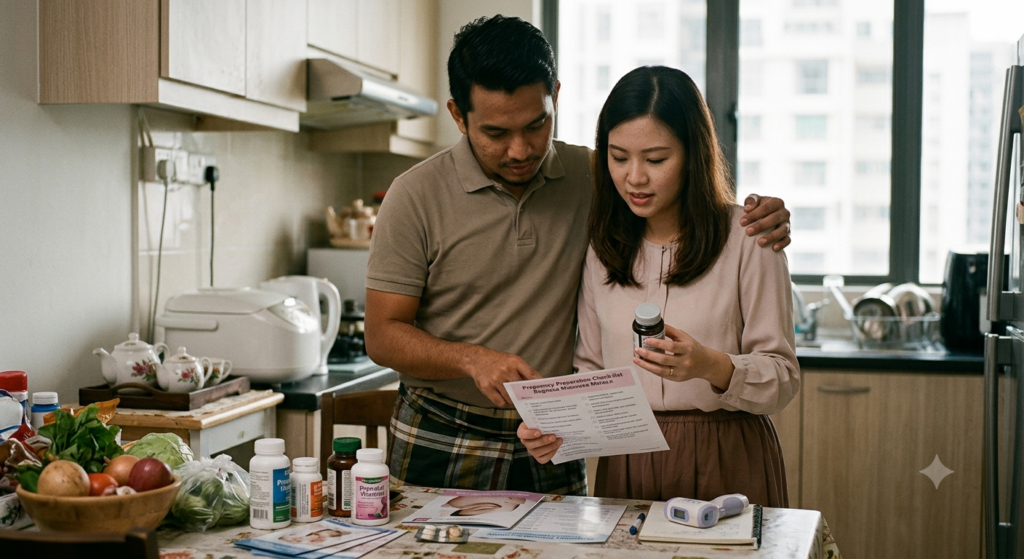
Starting a family is an exciting journey, but a healthy pregnancy begins even before conception. Many couples only start thinking about their health after getting a positive pregnancy test. However, preparing your body a few months before trying to conceive can improve your chances of having a smoother pregnancy and a healthier baby.
In Malaysia, couples who are planning for pregnancy are encouraged to visit a healthcare provider for a pre-pregnancy check-up (pemeriksaan kesihatan pra-kehamilan). This allows doctors to identify possible health concerns early and provide advice based on your personal health background.
1. Start with a Pre-Pregnancy Health Check
Before trying for a baby, make an appointment with your doctor or visit a nearby Klinik Kesihatan for advice. A pre-pregnancy assessment helps you understand your current health condition and whether any preparation is needed.
During the consultation, your healthcare provider may discuss:
Your menstrual cycle and previous pregnancy history
Existing medical conditions such as diabetes, high blood pressure or thyroid problems
Current medications or supplements
Vaccination status
Family history of inherited diseases
Lifestyle habits including smoking, alcohol intake and stress levels
For women with conditions such as diabetes or hypertension, controlling the condition before pregnancy is especially important. Couple prepare for a healthy pregnancy before conception can reduce possible pregnancy complications.
2. Take Folic Acid Before Pregnancy
One of the most important steps during the preparation stage is taking folic acid.
Folic acid helps support the early development of the baby’s brain and spinal cord. Since these developments happen very early in pregnancy — sometimes before a woman knows she is pregnant — it is recommended to start taking folic acid before conception.
Most women planning pregnancy are advised to take 400 micrograms of folic acid daily, starting at least one month before pregnancy and continuing during the early weeks of pregnancy.
Besides supplements, Malaysians can also include folate-rich foods such as:
Spinach and other green vegetables
Beans and lentils
Eggs
Citrus fruits
Fortified cereals
However, supplements are still recommended because it can be difficult to achieve the required amount through diet alone.
3. Improve Your Daily Eating Habits
Preparing for pregnancy does not mean following an expensive diet plan. Small improvements in everyday eating habits can make a difference.
For Malaysian couples, this may include:
✅ Adding more vegetables during meals ✅ Choosing healthier cooking methods such as steaming or grilling ✅ Reducing sugary drinks such as teh tarik, soft drinks and sweetened beverages ✅ Limiting highly processed foods ✅ Maintaining adequate protein intake
Enjoying local foods is still possible. The goal is not to completely avoid Malaysian favourites, but to create a more balanced eating pattern.
For example, instead of having nasi lemak with extra fried items every morning, try balancing your meals with vegetables, protein and less added sugar.
4. Maintain a Healthy Weight and Stay Active
Both underweight and overweight conditions may affect fertility and pregnancy outcomes.
A healthy weight before pregnancy can support regular ovulation and reduce risks such as gestational diabetes and pregnancy complications.
Simple activities such as below , can help improve overall health.
Walking 30 minutes a day
Light exercise
Swimming
Prenatal-friendly fitness routines
For couples living busy lifestyles in Malaysia, especially those working long hours, starting with small but consistent changes is often more realistic than making sudden major lifestyle changes.
5. Review Medicines and Vaccinations
Do not stop any medication suddenly when planning pregnancy.
Some medications may need to be changed before pregnancy, while others may be safe to continue. Always discuss with your doctor before making any changes.
It is also recommended to check vaccination status before pregnancy, including vaccines such as:
Rubella
Hepatitis B
Varicella (chickenpox)
Women who require certain vaccines may need to complete them before becoming pregnant.
6. Take Care of Mental Health
Pregnancy preparation is not only about physical health. Emotional wellbeing also plays an important role.
Trying to conceive can sometimes create pressure, especially when couples receive questions from family members about having children. Stress, anxiety and lack of sleep can affect overall wellbeing.
Couples should:
Communicate openly with each other
Share responsibilities
Maintain healthy sleep habits
Seek professional support when needed
Remember, every couple’s journey is different. Comparing your pregnancy journey with others may create unnecessary stress.
7. Preparing Your Partner for Pregnancy
Healthy pregnancy preparation involves both partners.
Male partners can support the journey by:
Maintaining a healthy lifestyle
Avoiding smoking and excessive alcohol
Managing existing health conditions
Eating a balanced diet
Reducing exposure to harmful substances
Fertility is a shared responsibility, and both partners play an important role in achieving a healthy pregnancy.
Preparing for pregnancy is a journey that starts before conception. By improving nutrition, managing health conditions, taking folic acid, maintaining a healthy lifestyle and seeking early medical advice, couples can create a better foundation for a healthy pregnancy.
The best time to start preparing is before trying to conceive. A simple visit to a healthcare provider can provide valuable guidance and reassurance as you begin this important life journey.