







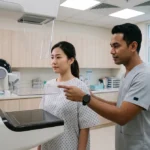


Semen Analysis at Home: Preparation, Collection & Results
Semen analysis at home lets you collect your sample privately, then deliver it promptly to the laboratory. Learn how to prepare, collect the full sample, transport it safely and understand what the results may mean.
Home collection may be possible, but contact the clinic first to confirm the receiving laboratory’s collection requirements and appointment arrangements.
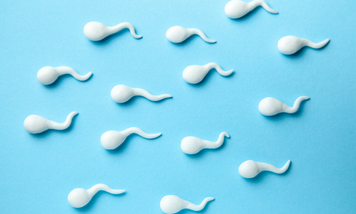
Semen analysis at home: what to know before collecting
What is a semen analysis?
Semen analysis is a laboratory test that measures the characteristics of semen and sperm. It is a common part of a male fertility assessment and may also be requested after a vasectomy. Post-vasectomy testing follows a separate laboratory protocol and should not be assumed to use the same collection or reporting requirements.
It commonly reports semen volume, sperm concentration, total sperm number, motility (movement) and morphology (shape). Some laboratories also assess vitality or other findings.
With semen analysis at home, only the collection happens at home. The sample still needs to reach the laboratory quickly for testing.
Why might I need semen analysis?
Trying for a pregnancy
To investigate sperm factors when conception has not occurred as expected. Assessment of both partners may be appropriate.
Previous abnormal result
To check whether changes persist, as semen results can vary considerably between samples.
Relevant medical history
For example, prior testicular problems, surgery, chemotherapy or concerns about sperm production.
After a vasectomy
Only when specifically arranged as a post-vasectomy semen test, using its own instructions.
Tell the doctor about a recent high fever, testosterone or anabolic steroid use, fertility medications, difficulties with ejaculation, prior testicular surgery, or an infection. Do not stop prescribed medication yourself.
How to prepare for semen analysis at home
| When | What to do |
|---|---|
| Before the test | Confirm an appointment or laboratory acceptance window, the approved container and the latest permissible arrival time. |
| 2–7 days before | Avoid ejaculation, including through masturbation or intercourse, unless the receiving laboratory has instructed otherwise. Record the actual abstinence period. |
| On collection day | Have the supplied container and any request form ready. Wash hands and penis, rinse and dry well. Urinate beforehand if instructed. |
| At collection | Collect directly into the container through masturbation. Avoid ordinary lubricants, saliva and regular condoms. Collect the whole ejaculate. |
| Immediately after | Close and label the container as instructed. Note the exact collection time and report any spillage or missing portion. |
How do I collect my semen sample at home?
This four-step semen analysis at home guide is designed to be readable on a phone and printable as a clinic handout.
Collection in 4 simple steps
Confirm the appointment. Use the laboratory-approved specimen container.
Wash and dry. Collect the entire ejaculate directly into the container.
Close tightly. Note the exact collection time and any lost sample.
Keep near your body, avoid heat or cold, and deliver within the laboratory’s time limit.
The first part of the ejaculate may contain a relatively high proportion of sperm. If you miss any portion, tell the laboratory; do not hide a partial collection.
How to transport your sample for semen analysis at home
- Plan the journey before collecting. Aim to reach the laboratory promptly, preferably within 30 minutes of collection at home, and always within its agreed acceptance window.
- Protect from temperature extremes. Avoid air-conditioning vents, direct sunlight, hot cars, ice packs and refrigerators. Carry the closed container close to your body under clothing.
- Deliver directly to the designated reception. Tell staff the collection time, abstinence duration and whether any sample was lost.
- If delayed, call before proceeding. The laboratory may advise a new sample, particularly if motility assessment could be unreliable.
Semen analysis at home: drop-off checklist
Having these ready helps the laboratory register your sample quickly, so testing can start within the required time:
- The sealed, labelled specimen container
- The laboratory request form, if one was given
- Your MyKad or passport for registration
- The exact collection time and the number of days since your last ejaculation
- Details of any spillage or missed portion of the sample
- A list of your current medicines and supplements
Semen analysis at home vs home sperm test kits
On this page, semen analysis at home means collecting your sample at home for a full laboratory test. It is different from buying a consumer home sperm test kit from a pharmacy or online.
Most home sperm test kits measure only one or two features, such as whether the sperm concentration is above a set threshold, or an estimate of moving sperm. They do not usually report semen volume, total sperm number, progressive motility, morphology or other laboratory findings, and their results depend on how carefully the instructions are followed.
| Feature | Laboratory semen analysis (home or clinic collection) | Consumer home sperm test kit |
|---|---|---|
| Who analyses the sample | Trained laboratory staff using standardised methods | You, at home, using the kit |
| What is measured | Volume, concentration, total sperm number, motility, morphology and other findings | Usually one or two features only |
| Doctor review | Interpreted together with your history and examination | Often no clinical review |
| Best use | Male fertility assessment and follow-up | A rough screen only, not a diagnosis |
What do semen analysis results mean?
Whether you collect at the laboratory or use semen analysis at home, your doctor interprets the full pattern of results, not a single number. The WHO 2021 lower fifth-percentile reference values below are reference limits, not definitive fertile/infertile cut-offs.
| Measurement | What it measures | WHO 2021 lower reference limit* |
|---|---|---|
| Semen volume | Amount of fluid ejaculated | 1.4 mL |
| Sperm concentration | Sperm per millilitre | 16 million/mL |
| Total sperm number | Sperm in the whole ejaculate | 39 million/ejaculate |
| Total motility | Sperm showing any movement | 42% |
| Progressive motility | Sperm swimming forwards | 30% |
| Normal morphology | Sperm with normal shape using strict assessment | 4% |
*WHO 6th edition, based on the fifth centile in a reference population of fertile men. Individual laboratory methodology and reference intervals may differ. These numbers should not be interpreted alone as a fertility diagnosis.
Results below a reference limit can occur for many reasons, including temporary illness or variation between samples. A result within reference limits does not guarantee pregnancy.
What can affect your semen analysis result?
Whether you use semen analysis at home or collect at the laboratory, semen quality naturally varies from one sample to the next. Some factors can temporarily lower results, so tell the doctor about them when your result is reviewed.
Recent illness or fever
A high fever can reduce sperm production for several weeks to a few months afterwards, because sperm take about two to three months to develop.
Abstinence period
A very short interval may lower volume and count, while a very long interval may reduce motility. Following the instructed 2–7 days makes results easier to compare.
Incomplete collection
Missing part of the sample, especially the first portion, can make the sperm count appear lower than it really is.
Delays and temperature
Late delivery, or exposing the container to heat or cold, can reduce motility measurements.
Medicines and supplements
Testosterone, anabolic steroids and some other medicines can suppress sperm production. Do not stop prescribed medicine without advice.
Lifestyle and heat exposure
Smoking, heavy alcohol use, obesity and frequent heat exposure to the testes, such as hot tubs or saunas, are associated with poorer semen quality.
Because of this natural variation, one abnormal result is usually not enough to draw firm conclusions. Your doctor may advise a repeat test before deciding on further investigations.
What happens after I receive my results?
If your results are abnormal, the doctor may discuss repeating the test (often around a month or more later), your health and medicines, a focused examination, or further investigations based on the pattern of abnormalities. Persistent abnormalities, very low sperm counts or no sperm seen warrant appropriate specialist assessment.
After semen analysis at home, ask the clinic how and when the laboratory will release your report; the turnaround time is provider-specific and has not been confirmed for Medilove.
How can I support sperm health before a repeat test?
Sperm take roughly two to three months to develop, so healthy changes made now are more likely to show in a repeat semen analysis at home a few months later. These steps support both general and reproductive health:
- Stop smoking and avoid vaping or recreational drugs. Ask the clinic if you would like help to quit.
- Limit alcohol and avoid binge drinking.
- Aim for a healthy weight through regular physical activity and a balanced diet with vegetables, fruit, whole grains and lean protein.
- Avoid excess heat to the testes, such as frequent hot baths, saunas, or resting a laptop on your lap for long periods.
- Avoid testosterone or anabolic steroids unless prescribed for a medical reason, as they can switch off sperm production.
- Manage long-term conditions such as diabetes and high blood pressure, and review your regular medicines with the doctor.
Frequently asked questions
Can I do semen analysis at home?
Often yes. With semen analysis at home, you collect the sample at home and the laboratory performs the test. This works if the receiving laboratory permits home collection and you can meet its time and temperature requirements. Please confirm the arrangements before collecting.
Can I have sex before my semen test?
Avoid ejaculation for the instructed abstinence period, commonly 2–7 days. It is ejaculation, rather than sexual activity itself, that affects the interval.
Can my partner help me collect the sample?
Ask the laboratory first. Do not use saliva or ordinary lubricant. Some laboratories may allow a specially validated collection condom when masturbation is not possible.
Can I use a condom to collect semen?
Not a regular condom. Standard condoms or their additives can interfere with sperm testing. Only use a collection device specifically approved by the laboratory.
What if I spill some of the semen?
Tell the laboratory, especially if the first portion was missed. The sample may still be examined, but results may be misleading and recollection may be recommended.
Does semen analysis hurt?
The collection itself does not involve a needle or an examination. If ejaculation is painful, tell the doctor because that symptom may need assessment.
What if I cannot reach the laboratory in time?
If semen analysis at home is not practical, arrange collection closer to the laboratory or ask whether an on-site private collection room is available. Do not assume a late sample can be accepted.
Does a normal semen analysis mean I am fertile?
No. A normal semen analysis is reassuring but cannot guarantee fertility. Both partners’ reproductive factors and the clinical history matter.
How long should we try for a pregnancy before getting tested?
Fertility assessment is commonly advised after 12 months of regular unprotected intercourse without a pregnancy, or after 6 months if the female partner is 35 or older. Seek advice earlier if either partner has a known risk factor.
Should my partner also be assessed?
Yes. Fertility involves both partners, and assessing the female partner at the same time avoids delays and gives a fuller picture.
How many semen tests will I need?
One test may be enough if the results are within reference limits. If the result is abnormal, a repeat test is commonly advised because semen quality varies between samples.
Is semen analysis at home private?
Yes. You collect the sample privately at home and bring the sealed container to the laboratory. Healthcare and laboratory staff handle semen samples routinely and confidentially.
Can I collect the sample at the laboratory instead?
Ask the clinic. Some laboratories provide a private collection room, which removes transport time and temperature concerns. This may be a better option than semen analysis at home if you live far from the laboratory.
When will I get my results?
Turnaround time depends on the laboratory. Ask the clinic when you arrange the test; your doctor will then go through the report with you.
Can a semen analysis detect an infection?
Some reports note white blood cells or other findings, but a semen analysis is not a test for sexually transmitted infections. If you have symptoms such as discharge or pain, tell the doctor so the right tests can be arranged.
Clinical basis and medical review
Medically reviewed by Dr Ang, Klinik Medilove Keponggi · Reviewed on .
References: WHO laboratory manual, sixth edition (2021); MOH Malaysia, Melaka Pathology specimen collection instructions; Hospital Tuanku Fauziah laboratory handbook; AUA/ASRM male infertility guideline (2024 amendment).
This semen analysis at home guide provides general patient information and does not replace instructions from the laboratory analysing your sample or individual medical advice.