








Key facts
- Type 2 diabetes may be present before obvious symptoms develop.
- Frequent urination and excessive thirst can occur when blood glucose is raised.
- HbA1c provides information about average blood glucose over time.
- A current blood glucose result and HbA1c provide different but complementary information.
- Kidney health, blood pressure and cholesterol are also relevant when reviewing diabetes-related health risks.
Signs and symptoms
Type 2 diabetes may cause few or no obvious symptoms, especially earlier on.
Possible signs include frequent urination, excessive thirst, fatigue and sometimes dizziness. These symptoms can also have other causes, so they should not be used on their own to determine whether diabetes is present.
Risk factors
A family history of type 2 diabetes
Increased body weight or other metabolic health risks
Low physical activity
Increasing age
A previous history of raised blood glucose or other diabetes risk findings
Common causes
Type 2 diabetes develops when the body becomes less effective at using insulin and can no longer keep blood glucose within the expected range. Genetic, metabolic and lifestyle factors can contribute, and the combination differs between individuals.
How it is checked
A doctor will usually consider your symptoms, risk factors and medical history together with blood tests. Blood glucose shows the glucose level at the time of testing, while HbA1c provides information about average blood glucose over a longer period. Kidney, cholesterol and blood-pressure checks may also be considered as part of the wider health assessment.
Assessment and investigations
Blood Glucose
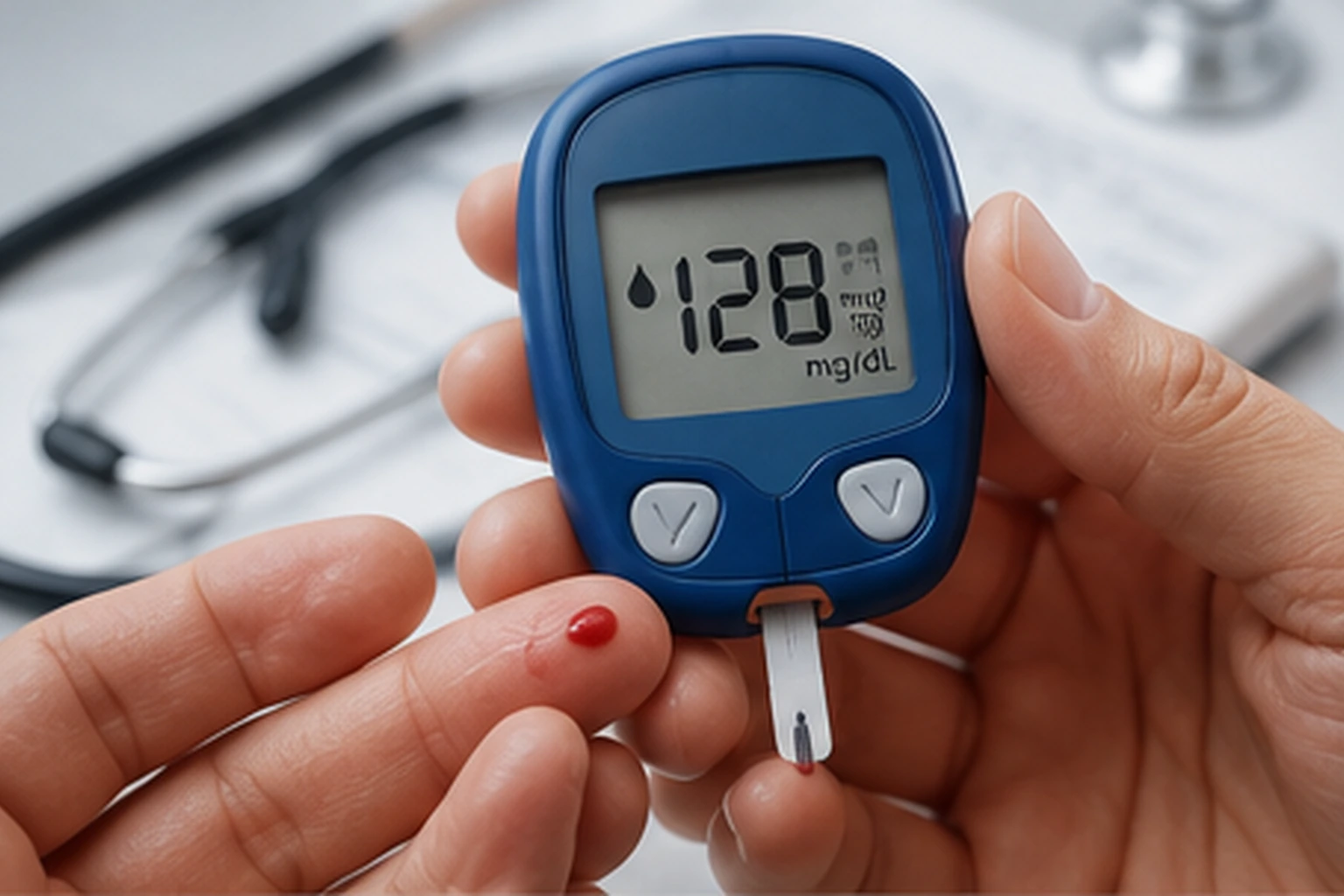
A blood glucose test measures the amount of glucose in the blood at the time of testing and is one of the main checks used when diabetes is being assessed.
HbA1c
HbA1c provides information about average blood glucose over a longer period and is interpreted together with other results and clinical information.
Urine Microalbumin
Urine microalbumin testing can detect small amounts of albumin in the urine and may be relevant when looking for early kidney changes associated with diabetes.
Kidney Function Test
Kidney-function blood tests provide information about how well the kidneys are working and can be important when reviewing the wider health effects associated with diabetes.
When to see a doctor
Consider speaking with a doctor if you have persistent frequent urination, excessive thirst or unexplained fatigue, have previously had a raised blood glucose or HbA1c result, or have diabetes risk factors and want to know whether testing is appropriate.
Frequently asked questions
What are common signs of type 2 diabetes?
Possible signs include frequent urination, excessive thirst and fatigue, although some people have few or no noticeable symptoms. Blood testing is needed when diabetes is being assessed.
What tests are used to check for diabetes?
Blood glucose and HbA1c are commonly used when diabetes is being assessed. They provide different information and should be interpreted in the context of your overall health.
What is the difference between blood glucose and HbA1c?
Blood glucose reflects the glucose level at the time of testing, while HbA1c provides information about average blood glucose over a longer period.
Does one high blood sugar result mean I have diabetes?
Not necessarily. One abnormal result needs clinical interpretation, and further or repeat testing may be required depending on the result and your health situation.