Written and medically reviewed by Dr Ang Kien Tze, MD (VSMU), MRCP (UK), Klinik Medilove Keponggi, Kepong · Last reviewed: 7 November 2026
In short: Diabetes is a long-term condition in which blood glucose stays too high, because the body makes too little insulin, uses it poorly, or both. About 1 in 6 Malaysian adults has diabetes, and around 2 in 5 of them do not know it. Under Malaysian guidelines, diabetes is diagnosed at an HbA1c of 6.3% or above, a fasting glucose of 7.0 mmol/L or above, or a 2-hour OGTT glucose of 11.1 mmol/L or above. If you have no symptoms, a second abnormal result is needed to confirm it. Screening is recommended every year from age 30, or earlier if you have risk factors.
Many people only find out they have diabetes during a company health screening, or because of a complication. Most feel completely well beforehand. That is why diabetes in Malaysia is so often called a silent disease, and why finding it early makes such a difference.
This guide covers the essentials: what diabetes is, who should be tested, how the results are read in Malaysia, how it is treated, and how to protect your heart, kidneys, eyes and feet. Each section links to a more detailed article if you want to go further.
What is diabetes?
Diabetes mellitus, called kencing manis in Malay, is a chronic condition in which glucose in the blood stays persistently high (hyperglycaemia).
When you eat carbohydrates such as rice, noodles, bread or fruit, your gut breaks them down into glucose, which passes into the bloodstream. Insulin is made by the beta cells of the pancreas. It moves glucose into muscle, liver and fat cells and tells the liver to stop releasing more.
Diabetes develops when:
the pancreas does not produce enough insulin,
the body stops responding to insulin properly (insulin resistance), or
both happen together, which is the usual picture in type 2 diabetes.
Over years, high glucose damages small and large blood vessels and nerves. That is how diabetes affects the heart, kidneys, eyes and feet.
Is one high blood sugar reading the same as diabetes?
No. A single raised reading can follow an illness, stress, steroid medication or a large meal. Diabetes is diagnosed with laboratory tests against set thresholds. In someone without symptoms, it needs a second abnormal result to confirm it.
How common is diabetes in Malaysia?
According to the National Health and Morbidity Survey (NHMS) 2023:
15.6% of Malaysian adults have diabetes, about 3.6 million people.
9.7% already knew they had it.
5.9% had raised blood glucose but had never been diagnosed.
In other words, about 1 in 6 adults is affected, and roughly 2 in 5 of them are unaware. The gap is widest in young adults. The Ministry of Health has reported that among adults aged 18 to 29 who had diabetes in the survey, about 84% did not know.
So diabetes is not only a problem of old age. Younger adults with excess weight around the waist, a strong family history or very little physical activity can develop it, often years before any symptom appears.
What are the types of diabetes?
Type 2 diabetes is by far the most common type. It develops gradually through insulin resistance combined with a slow decline in insulin production. Most of this guide is about type 2.
Type 1 diabetes is usually autoimmune: the immune system destroys the insulin-producing cells, so insulin treatment is essential from diagnosis. It can start at any age, including in adults. It is not caused by eating sugar or by lifestyle.
Gestational diabetes (GDM) is high glucose first found during pregnancy. It usually settles after delivery, but it raises a woman’s future risk of type 2 diabetes considerably. That is why follow-up testing after pregnancy matters.
Other types include monogenic diabetes (such as MODY), diabetes after pancreatic disease, and diabetes caused by medicines such as long-term steroids. Getting the type right matters because the treatment differs.
What causes type 2 diabetes?
There is rarely a single cause. The main contributors are:
Insulin resistance. Muscle, liver and fat respond less to insulin. The pancreas compensates by working harder, until one day it can no longer keep up.
Genes and family history. Having a parent or sibling with type 2 diabetes raises your risk, but it does not make diabetes inevitable.
Visceral (abdominal) fat. Fat around the liver and pancreas drives insulin resistance. Asian adults tend to develop diabetes at a lower BMI than Europeans, so a person can look slim and still be at risk. A waist of 90 cm or more in men or 80 cm or more in women is a warning sign.
Physical inactivity and long hours of sitting.
Diet. Sweetened drinks (teh tarik, kopi, canned and bubble drinks), large portions of refined carbohydrate and low-fibre meals.
Other factors: short or poor sleep, untreated sleep apnoea, steroid medicines, PCOS and previous gestational diabetes.
Type 2 diabetes is not a personal failing. Genes, age, environment, work patterns and access to healthy food all play a part. Blame does not help anyone get better care. Information and early testing do.
What are the early signs of diabetes?
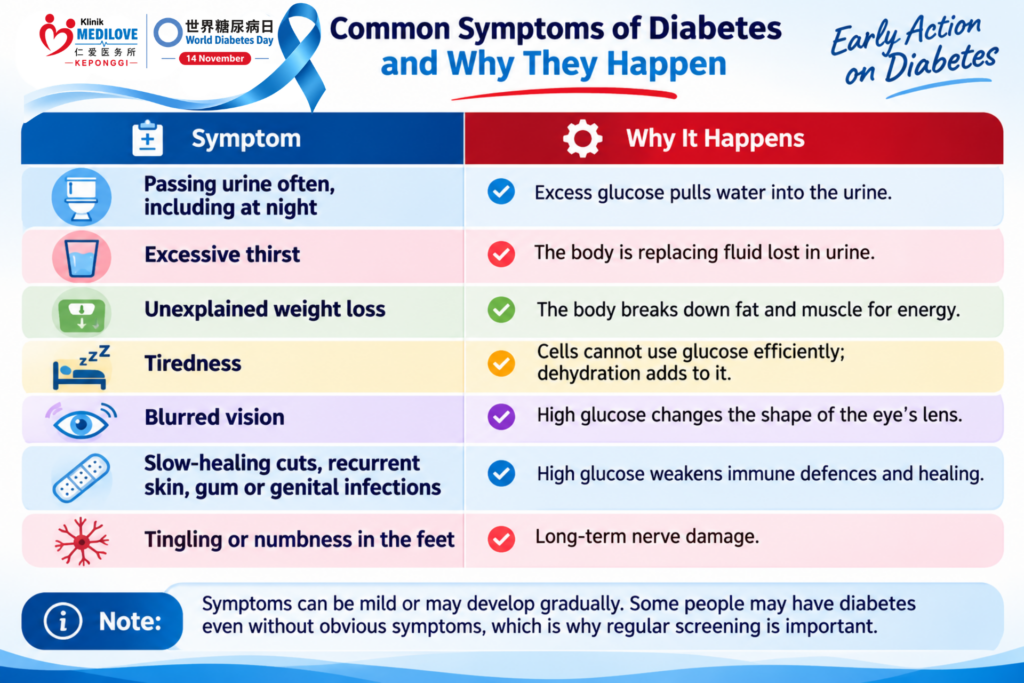
Early type 2 diabetes often causes no symptoms at all. When symptoms do appear, they may include:
Recognizing the Warning Signs: A quick visual reference guide explaining the physiological causes behind common diabetes symptoms.
Feeling well is not a reason to skip a test. Many people diagnosed at screening had no complaints at all.
When high blood sugar is an emergency
Seek same-day medical care, or go to the emergency department, if high glucose comes with any of the following:
persistent vomiting or severe abdominal pain
deep or rapid breathing, or fruity-smelling breath
severe thirst and dehydration
confusion, drowsiness or difficulty waking
rapid, unexplained weight loss with marked weakness
These can be signs of diabetic ketoacidosis (DKA) or hyperosmolar hyperglycaemic state (HHS). Both are emergencies that cannot wait for a routine appointment.
Who should be screened for diabetes?
The Malaysian Clinical Practice Guidelines (CPG) on Management of Type 2 Diabetes Mellitus (6th edition) recommend screening adults over 30 years of age, repeated every year. Screening should start earlier if you have risk factors such as:
excess weight or a large waist
a parent or sibling with type 2 diabetes
high blood pressure, or abnormal cholesterol or triglycerides
previous gestational diabetes, or a baby weighing 4 kg or more
polycystic ovary syndrome (PCOS)
heart disease or stroke
long-term steroid treatment
a previous prediabetes result
If you have symptoms, get tested now, whatever your age.
Diabetes Health Risk Check | Medilove Branded Edition
DIABETES HEALTH RISK CHECK
Diabetes health education
Quick Health & Diabetes Risk Check
Answer seven short questions to understand common risk factors for type 2 diabetes.
Important: This is an educational risk-factor checklist, not the complete validated CANRISK or ADA risk score. It cannot diagnose or exclude diabetes.
Your results
Next step: Discuss appropriate diabetes screening with your doctor. In Malaysia, screening is generally recommended from age 30 and earlier when risk factors are present. Tests may include fasting plasma glucose or HbA1c.
Small Malaysian lifestyle changes: Try plain water or teh O kosong instead of sweet drinks, choose suku-suku separuh portions for nasi campur, and add regular walking.
Do not wait for a questionnaire result if you have excessive thirst, frequent urination or unexplained weight loss. Severe vomiting, confusion or breathing difficulty require urgent medical care.
Over 30, or have a family history of diabetes?
A simple blood test can tell you where you stand, often before any symptoms appear. For World Diabetes Day, our MEDIGENERAL health screening is RM80 from 14 to 30 November 2026.
HbA1c reflects your average glucose over the past two to three months. No fasting is needed.
Fasting plasma glucose is a venous blood sample taken after at least 8 hours without food or sweet drinks. Plain water is fine.
Oral glucose tolerance test (OGTT) measures glucose 2 hours after a standard glucose drink. It is useful when the other results disagree, and it is the test used in pregnancy.
Normal, prediabetes and diabetes ranges (Malaysian CPG, non-pregnant adults)
Diagnostic Test
Normal Range
Prediabetes
Diabetes Threshold
HbA1c
Below 5.7%
5.7% to below 6.3%
6.3% or above
Fasting Plasma Glucose
Below 6.1 mmol/L
6.1 – 6.9 mmol/L
7.0 mmol/L or above
2-Hour OGTT Glucose
Below 7.8 mmol/L
7.8 – 11.0 mmol/L
11.1 mmol/L or above
*Note: Thresholds based on Malaysian CPG guidelines for non-pregnant adults. One single result without symptoms is not a definitive diagnosis.
These are diagnostic thresholds for people who have not been diagnosed. They are not treatment targets for people who already have diabetes.
Why does Malaysia use 6.3% and not 6.5%? The American Diabetes Association (ADA) diagnoses diabetes at an HbA1c of 6.5% or above. The Malaysian CPG uses 6.3%, based on local data on Asian populations. So an HbA1c of 6.3% or 6.4% may be called “prediabetes” on an American website, but it falls in the diabetes range here.
One result is not a diagnosis. If you have no symptoms, a second abnormal result is needed. That can be a repeat test on another day, or two different abnormal tests from the same sample. If you have classic symptoms, one clearly abnormal result is enough to act on.
Already have a result in the prediabetes or diabetes range?
Don’t panic, and don’t ignore it. Bring your report to Klinik Medilove Keponggi. We’ll confirm the result, explain what it means for you, and plan the next step together.
HbA1c depends on normal red blood cells. Several conditions can push it away from your true average glucose: thalassaemia trait (common in Malaysia), other haemoglobin variants, iron-deficiency or B12-deficiency anaemia, recent blood loss or transfusion, pregnancy and advanced kidney disease.
Tell your doctor if any of these apply. A fasting glucose or OGTT may then be the more reliable test.
Is a finger-prick test enough?
A home glucometer or pharmacy finger-prick test is useful for monitoring, and as a reason to get properly tested. It cannot diagnose diabetes in someone without symptoms. Diagnosis needs a venous laboratory sample.
What is prediabetes, and can it go back to normal?
Prediabetes means glucose is above normal but below the diabetes threshold. It is a warning, not a verdict. Cardiovascular risk is already raised at this stage, so blood pressure and cholesterol deserve attention too.
It can often return to normal. In the Diabetes Prevention Program, adults with prediabetes who aimed to lose 7% of their body weight and did 150 minutes of activity a week cut their risk of developing diabetes by 58% over about three years. The Malaysian CPG recommends weight loss of 7–10% for people with prediabetes. For someone weighing 75 kg, that is about 5–7.5 kg.
Treatment is individual. It depends on your HbA1c, age, weight, kidney function, heart and stroke risk, other conditions, cost and your own preferences.
Food: adjust, don’t abandon
Healthy eating with diabetes does not mean giving up rice or every carbohydrate. The Ministry of Health’s Suku-Suku Separuh plate is a practical place to start:
a quarter of the plate: rice, noodles, bread or other carbohydrate (about one fist of cooked rice)
a quarter: fish, chicken, egg, tofu or other protein
half: vegetables, with fruit in sensible portions
Often the biggest single change is the drinks. Swapping teh tarik or kopi for kosong versions, or plain water, removes a large amount of sugar without changing the meal.
Aim for at least 150 minutes a week of moderate activity such as brisk walking, spread over most days. Add resistance exercise twice a week if you can. A 10–15 minute walk after meals helps lower the post-meal rise in glucose. If you have heart disease, neuropathy or foot problems, ask your doctor how to adapt your exercise.
Weight and remission
For people carrying extra weight, sustained weight loss improves insulin sensitivity. Larger losses can put type 2 diabetes into remission. In the DiRECT trial, a structured weight-loss programme in primary care achieved remission in 46% of participants at one year, and in 86% of those who lost 15 kg or more. Remission is most likely within the first few years after diagnosis.
An international consensus defines remission as an HbA1c below 6.5% at least three months after stopping glucose-lowering medication. Remission is not a cure. Glucose can rise again if weight returns, so yearly checks continue.
Medicines
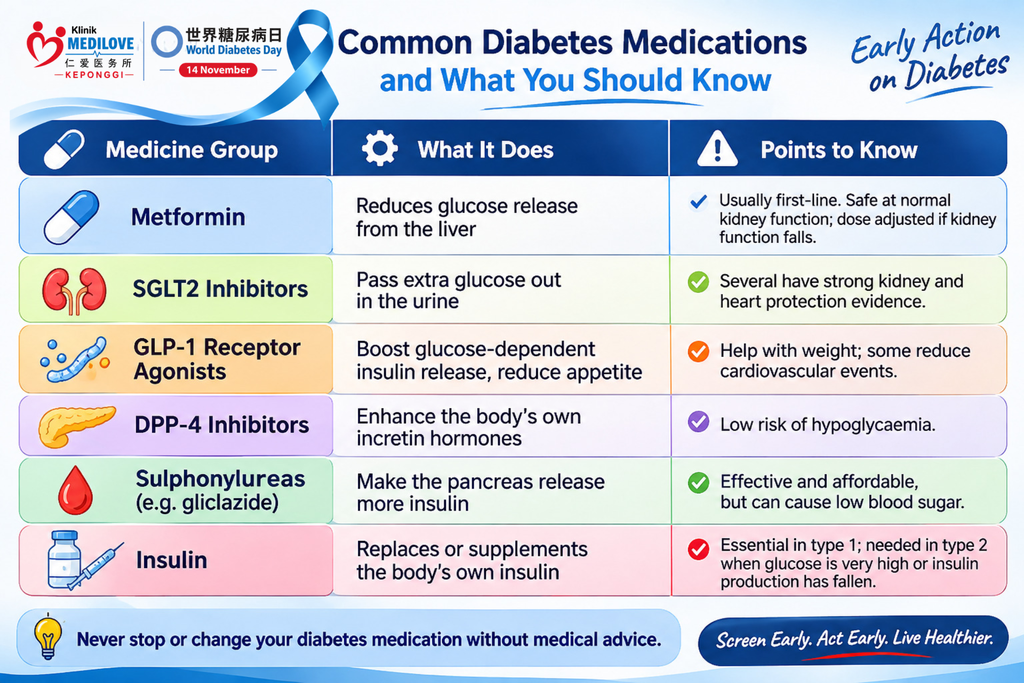
Not everyone needs medication at diagnosis, and no one needs all of these. Common options include:
If you take insulin or a sulphonylurea, learn the signs of hypoglycaemia: shaking, sweating, a racing heart, hunger and confusion. A reading below 4.0 mmol/L needs treatment with fast-acting sugar.
Never stop or change your diabetes medication without medical advice.
Getting a home glucometer is an empowering first step, but many patients are unsure when or how often they actually need to prick their fingers. Self-Monitoring of Blood Glucose (SMBG) is not meant to be a daily guessing game or a source of stress—it is a feedback tool to help you and your doctor see how food, physical activity, and medication affect your glucose levels.
Recommended Testing Schedules
Your testing frequency depends on your treatment plan and how stable your blood sugar is:
Newly Diagnosed or Adjusting Treatment: If you have just started a new medication (especially insulin or sulphonylureas) or your HbA1c is above target, more frequent checks are helpful. This typically means testing 2 to 4 times a day (e.g., fasting and 2 hours after a main meal) until your levels stabilize.
Well-Controlled on Lifestyle or Non-Insulin Medication: If your HbA1c is at target and stable, you do not need to prick your fingers every day. Testing 2 to 3 times a week—rotating between fasting and post-meal checks—is usually enough to catch unexpected trends.
If You Take Insulin: Daily testing (often before meals and occasionally at bedtime) is standard to guide safe dose adjustments and prevent lows.
Understanding Your Targets: Fasting, Pre-Meal, and Post-Prandial
For most adults with type 2 diabetes, the Malaysian CPG general home targets are:
Fasting / Before meals: 4.4 to 7.0 mmol/L
2 hours after a meal (Post-prandial): 4.4 to 8.5 mmol/L
Why check both? Fasting numbers reflect how your liver manages glucose overnight, while post-meal numbers show how your body handles the carbohydrates from your last meal. If your post-meal spikes are high while your fasting numbers are normal, it usually points to portion sizes or carbohydrate choices at that meal.
If your morning reading is unexpectedly high despite eating lightly the night before, read our guide on Why Is My Morning Blood Sugar High? to understand the dawn phenomenon and overnight patterns.
Continuous Glucose Monitoring (CGM): A Real-Time Window into Your Glucose
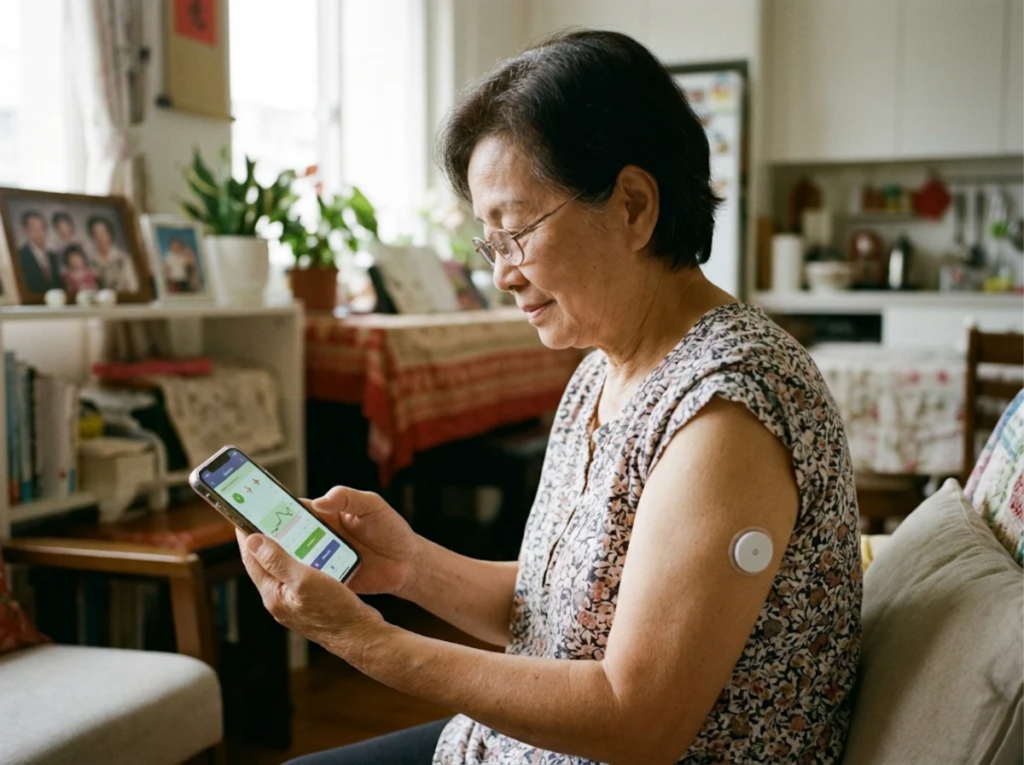
Real-Time Glucose Tracking: A visual guide explaining how CGM sensors work, the benefits of tracking trends, and understanding Time in Range.
While finger-prick testing gives you a snapshot at a single moment in time, Continuous Glucose Monitoring (CGM) uses a small, discreet sensor worn on the back of the upper arm to track interstitial glucose levels day and night—often every few minutes.
How CGM Works and Who It Benefits
A CGM sensor measures glucose in the fluid beneath your skin and transmits readings to your smartphone or a dedicated reader. While it was once used primarily by people with Type 1 diabetes on insulin pumps, it is increasingly valuable in Type 2 diabetes care for several reasons:
Spotting Trends, Not Just Numbers: Instead of wondering what happened after a meal or overnight, you can see the direction and speed your glucose is heading (using trend arrows).
Uncovering Hidden Spikes and Lows: CGMs catch post-meal spikes you might otherwise miss and reveal nocturnal hypoglycaemia (lows dropping silently during sleep).
Behavioural Feedback: Seeing real-time graphs after eating a specific local dish or taking a brisk walk provides powerful, instant feedback that helps patients make sustainable lifestyle tweaks.
Time in Range (TIR) vs. HbA1c
When using a CGM, your doctor will look beyond your HbA1c to evaluate your Time in Range (TIR)—the percentage of time your glucose stays within your target range (typically 3.9 to 10.0 mmol/L for most adults). For example, aiming for a TIR of over 70% provides a practical daily goal alongside your routine lab checks.
CGM sensors are a helpful tool, but they do not completely replace occasional capillary (finger-prick) calibration checks depending on the device model, nor do they replace regular clinical reviews with your doctor.
What happens if diabetes is not treated?
Complications develop silently over years. Most are preventable or can be slowed when found early.
Heart and blood vessels. Diabetes raises the risk of heart attack, stroke and poor circulation in the legs. That is why good care also covers blood pressure, LDL cholesterol and smoking, not just glucose.
Eyes. Diabetic retinopathy causes no symptoms in its early stages. Retinal screening catches it before your sight is affected.
Nerves and feet. Numb feet may not feel a blister or a cut. Daily self-checks, proper footwear and early treatment of wounds prevent most ulcers and amputations.
Other effects: gum disease, erectile dysfunction, frequent infections, and slow stomach emptying.
Complications are not inevitable. Regular screening and good control of glucose, blood pressure and cholesterol reduce the risk substantially.
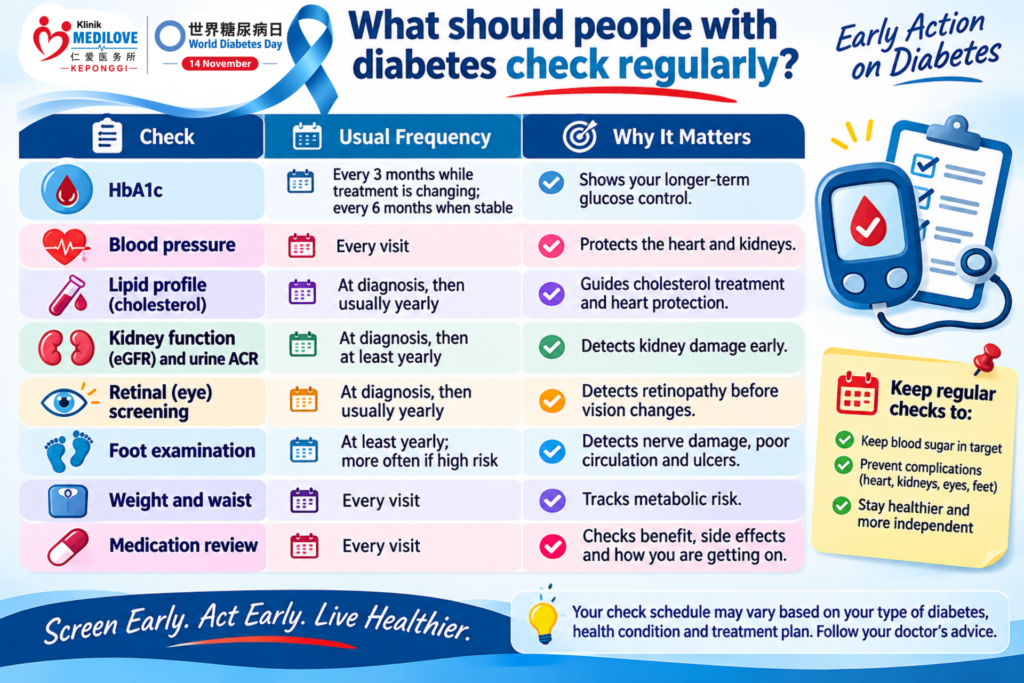
What should people with diabetes check regularly?
Essential Routine Checks: A quick reference guide summarizing the recommended frequency and importance of key monitoring tests for diabetes care.
For most adults, the Malaysian CPG target is 7.0% or below. A tighter target of 6.5% or below may suit younger people with short-duration diabetes and no complications, if it can be reached without hypoglycaemia. A more relaxed target suits older or frail adults and people with several other illnesses. Your doctor will agree your personal target with you.
Common diabetes myths in Malaysia
“I don’t take sugar, so I can’t get diabetes.” False. Rice, noodles, bread and total calories all raise glucose, and genes and weight matter too.
“Only fat people get diabetes.” False. Many Asian adults develop diabetes at a normal-looking weight, especially when fat sits around the waist.
“Diabetics must stop eating rice.” False. The portion and what goes on the plate beside it matter more than banning rice.
“Bitter gourd (peria) can cure diabetes.” There is no good evidence that it can replace treatment. Enjoy it as a vegetable, not as a medicine.
“Metformin damages the kidneys.” False. Metformin does not harm healthy kidneys. Doctors lower the dose or stop it when kidney function is already reduced, which is where this myth comes from.
“Once I start insulin, it’s the end.” False. Insulin is simply the most effective way to lower glucose when other medicines are not enough. Many people need it at some point, and some later reduce or stop it.
“I feel fine, so my sugar must be normal.” False. Type 2 diabetes can be silent for years.
World Diabetes Day 2026: early action on diabetes
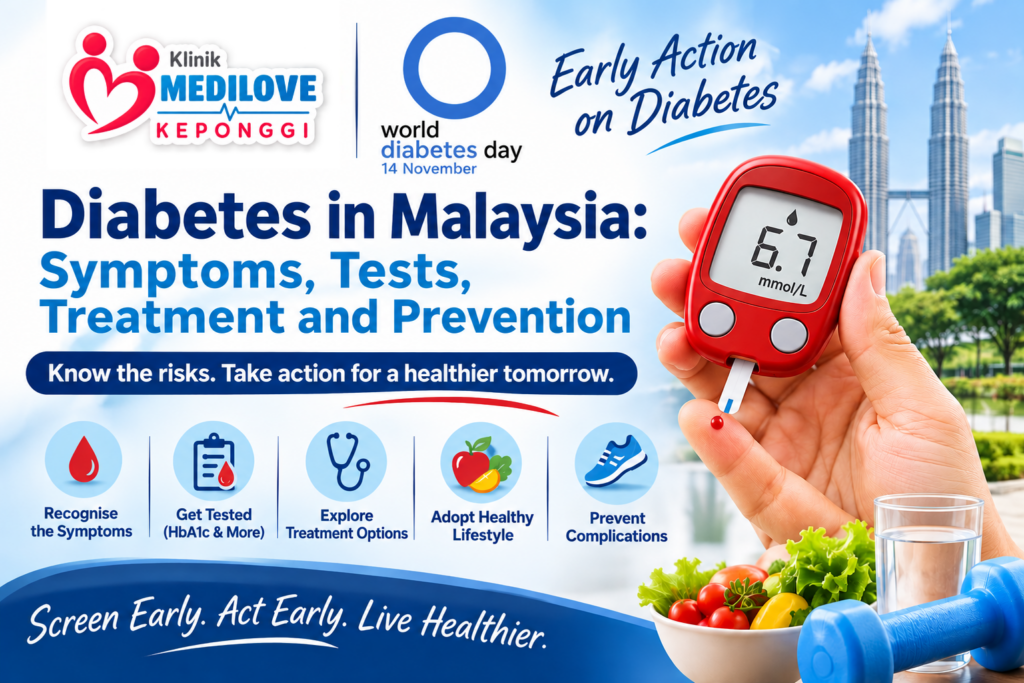
World Diabetes Day is held every year on 14 November. The International Diabetes Federation’s theme for 2026–2027 is Early action on diabetes, which focuses on earlier diagnosis and reducing risk. For Malaysia, where about 2 in 5 adults with diabetes are undiagnosed, that is the right message.
Affordable Diabetes Screening & Comprehensive Care at Klinik Medilove Keponggi
Your Health Matters — Every Day, Not Just on World Diabetes Day
At Klinik Medilove Keponggi (仁爱医务所), we believe early diabetes detection and quality healthcare should be accessible and affordable for everyone.
Diabetes screening starts from as low as RM15, making it easier for you and your loved ones to take the first step towards understanding your blood sugar health.
Whether you need a simple blood sugar check or a more comprehensive health assessment, we offer a range of screening options to suit your health needs and budget.
What Can We Check?
Our health screening services include:
Blood sugar: Fasting blood glucose and HbA1c testing
Kidney health: Kidney function tests (eGFR) and urine albumin-to-creatinine ratio (ACR)
Heart health: Cholesterol profile and cardiovascular risk assessment
Liver health: Liver function tests
General health: Blood pressure, weight, BMI and other relevant health indicators
The tests included depend on your selected screening package. Additional investigations may be recommended following medical assessment.
More Than Screening — We Care for You Throughout Your Diabetes Journey
At Klinik Medilove Keponggi, our care does not stop when your blood test results are ready.
If your blood sugar is elevated or you have been diagnosed with diabetes, our doctors can help you understand your results, establish personalised treatment goals and arrange appropriate follow-up.
We support you through regular diabetes monitoring, medication reviews, early detection of complications and practical dietary advice tailored to Malaysian lifestyles.
You can still enjoy familiar foods such as nasi lemak, mixed rice and noodles while learning how to make healthier choices through portion control and balanced nutrition.
We are here to guide you, support your progress and help you make informed decisions about your health.
You Are Not Alone
Managing diabetes is a long-term journey, but you do not have to navigate it alone.
Whether you are newly diagnosed, managing prediabetes or living with diabetes for years, our team is committed to providing compassionate, accessible and continuous primary care.
Screen Early. Act Early. Live Healthier.
Your health is our priority — today, tomorrow and every day.
Klinik Medilove Keponggi | 仁爱医务所
📍 KepongGi Square, Laman Rimbunan, Kepong, Kuala Lumpur
Screening starts from RM15. Test inclusions, consultation fees and follow-up services depend on the selected package. Please confirm details with our clinic.
Klinik Medilove Keponggi Lot C-08-G, KepongGi, Jalan Rimbunan Teratai 1, 52100 Kepong, Kuala Lumpur KepongGi Square, beside Taman Metropolitan Kepong WhatsApp: +6011-1560 7148 Monday–Friday 8 am–9 pm · Saturday–Sunday 8 am–6 pm
Frequently asked questions
What is a normal blood sugar level in Malaysia?
For adults without diabetes, the Malaysian CPG considers these normal: a fasting plasma glucose below 6.1 mmol/L, a 2-hour OGTT glucose below 7.8 mmol/L, and an HbA1c below 5.7%. People already diagnosed have different targets. For most, that means a fasting or pre-meal glucose of 4.4–7.0 mmol/L and a 2-hour post-meal glucose of 4.4–8.5 mmol/L.
Do I need to fast for a diabetes test?
Not for HbA1c. A fasting plasma glucose or fasting lipid profile needs at least 8 hours without food or sweet drinks. Plain water is allowed. If you take diabetes medication, ask the clinic before fasting, because skipping meals on some medicines can cause low blood sugar.
Can I have diabetes without any symptoms?
Yes, and this is common. About 2 in 5 Malaysian adults with diabetes do not know they have it. That is why yearly screening from age 30, or earlier if you have risk factors, is recommended.
Can type 2 diabetes be reversed?
It cannot be cured, but it can go into remission. With substantial, sustained weight loss, many people, especially in the first few years after diagnosis, can keep glucose below the diabetes range without medication. Regular monitoring continues, because it can return.
How often should I be tested for diabetes?
The Malaysian CPG recommends yearly screening for adults over 30. If you have prediabetes, previous gestational diabetes or several risk factors, testing at least once a year is important, and your doctor may advise more often.
Where can I get a diabetes test in Kepong?
Klinik Medilove Keponggi, at KepongGi Square beside Taman Metropolitan Kepong, offers HbA1c, fasting glucose, OGTT, kidney and cholesterol tests, either individually or within a screening package, with a doctor’s review of the results. WhatsApp +6011-1560 7148 to arrange a test.
The take-home message
Diabetes can be silent, but early action changes its course.
Know your numbers: HbA1c, blood pressure, cholesterol, kidney function and waist. Get tested yearly from 30. If something is raised, confirm it and act early, while the most can still be changed. You do not have to change everything at once. Start with one step, such as swapping the sweet drink, and build from there.
Screen early. Act early. Live healthier.
References
Ministry of Health Malaysia. Clinical Practice Guidelines: Management of Type 2 Diabetes Mellitus, 6th edition, 2020; Quick Reference Guide. https://www.moh.gov.my/moh/resources/Penerbitan/CPG/Endocrine/QR_T2DM_6th_Edition_QR_Guide_Digital.pdf
Institute for Public Health, Ministry of Health Malaysia. National Health and Morbidity Survey (NHMS) 2023: Fact Sheet. https://iku.moh.gov.my/images/nhms2023/fact-sheet-nhms-2023.pdf
American Diabetes Association Professional Practice Committee. Standards of Care in Diabetes—2026. Diabetes Care 2026;49(Suppl 1).
Diabetes Prevention Program Research Group. Reduction in the incidence of type 2 diabetes with lifestyle intervention or metformin. N Engl J Med 2002;346:393–403.
Lean MEJ et al. Primary care-led weight management for remission of type 2 diabetes (DiRECT). Lancet 2018;391:541–551.
Riddle MC et al. Consensus report: definition and interpretation of remission in type 2 diabetes. Diabetes Care 2021;44:2438–2444.
International Diabetes Federation. World Diabetes Day 2026–2027: Early action on diabetes. https://worlddiabetesday.org/