





Overview
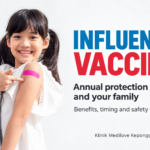
Vaccination is one of the simplest ways to lower the risk of serious infections, both for you and for the people around you. In Malaysia, children receive most of their core vaccines through the National Immunisation Programme, but protection does not stop in childhood.
Some vaccines need boosters, and others become more important with age, pregnancy, chronic illness, work exposure or travel. Depending on your health and history, adults may benefit from vaccines such as influenza, pneumococcal, hepatitis B, HPV, Tdap (tetanus, diphtheria and pertussis) and shingles.
Mild effects such as a sore arm, tiredness or a low-grade fever are common for a day or two. Keeping your vaccination record up to date and reviewing it during health checks makes it easier to see what you have had and what you may still need.
A few things worth keeping an eye on
1. Check your vaccination record
Your child-health book, old vaccination cards or clinic records show which vaccines you have already had. If a course was interrupted, it usually does not need to start again from the beginning.
2. Vaccines continue into adulthood
Protection from some vaccines fades over time, so boosters such as tetanus may be needed. Older adults and people with diabetes, heart, lung or kidney disease may also benefit from flu and pneumococcal vaccines.
3. Plan ahead for pregnancy and travel
Some vaccines, such as rubella and chickenpox, are best completed before pregnancy, while flu and Tdap vaccines are recommended during pregnancy. Travel vaccines may need a few weeks to work, so ask early.
4. Mild reactions are common
A sore arm, tiredness or mild fever for a day or two usually means the body is responding to the vaccine. Seek urgent help for difficulty breathing, swelling of the face or lips, or a widespread rash soon after a jab.
5. A mild illness is not always a reason to delay
A mild cold without high fever usually does not need to delay vaccination. Tell the doctor or nurse if you have a fever, are pregnant, have a weakened immune system or have reacted to a vaccine before.
Questions you may have along the way
Do adults need vaccines too?
Yes. Some childhood protection needs boosters, and some infections become more serious with age or long-term illness. Depending on your health, age, work and travel plans, a doctor may suggest vaccines such as influenza, pneumococcal, hepatitis B, HPV, Tdap or shingles.
How often should I get the flu vaccine?
The flu vaccine is usually given once a year because flu viruses change and protection fades over time. It is especially recommended for older adults, pregnant women, young children and people with long-term conditions such as diabetes, heart, lung or kidney disease.
What if I missed a dose or lost my vaccination record?
A missed dose does not usually mean the whole course must be restarted, as it can often be continued from where it stopped. If your record is lost, bring whatever information you have and a doctor can advise on catch-up doses, or on blood tests for selected vaccines such as hepatitis B.
Can I get more than one vaccine on the same day?
Many vaccines can safely be given at the same visit, and this is routinely done in childhood schedules. Your doctor will check which vaccines can be combined and whether any, such as certain live vaccines, need to be spaced apart.
Useful checks for the bigger picture
Pre-Pregnancy Health Checks
How a pre-pregnancy check helps you and your baby, which checks guidelines suggest, and what to sort out before you start trying.
Pre-Marital Health Checks
What pre-marital checks look for, why thalassaemia carrier testing matters in Malaysia, and how results are shared with care and consent.
Senior Health Screening
Senior screening helps you stay active and independent. It checks everyday abilities as well as common conditions, tailored to your health and wishes.
Teen & Adolescent Health Screening
What a teen health check covers, which checks guidelines support for young people, and how we keep the visit relaxed and confidential.