









Overview
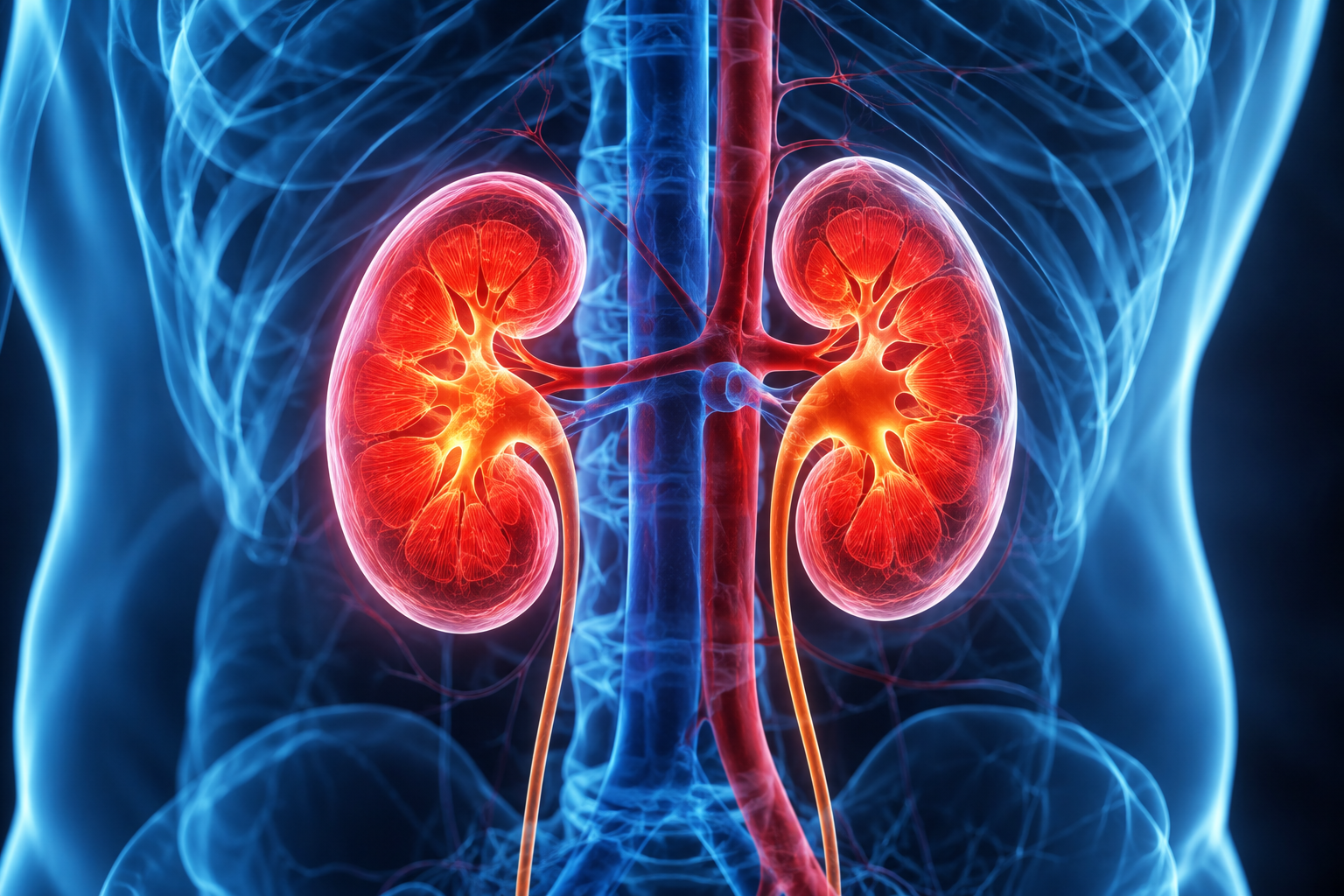
Your kidneys filter waste and excess fluid from the blood, help regulate fluid and mineral balance, and play an important part in blood pressure and other body functions.
Kidney problems can develop without obvious symptoms, particularly in the earlier stages. Diabetes and high blood pressure are important risk factors, while family history, certain medicines and other health conditions may also affect kidney health.
Checking kidney health often involves more than one measurement. Blood tests such as creatinine can be used to estimate eGFR, while urine testing can look for albumin or protein that may suggest kidney damage. Results are most useful when interpreted together with your health history and changes over time.
A few things worth keeping an eye on
1. Diabetes and blood pressure matter
Diabetes and high blood pressure are important risk factors for chronic kidney disease. Keeping these conditions well managed can also be part of protecting kidney health.
2. Kidney problems can be quiet
Early kidney disease may cause few or no noticeable symptoms. Feeling well does not necessarily tell you whether kidney function or urine results have changed.
3. Blood and urine tests tell different stories
Creatinine and eGFR provide information about kidney filtration, while urine albumin or protein testing can look for signs of kidney damage. One test does not always give the full picture.
4. Look at trends, not one result
Kidney results can change for different reasons. Previous creatinine, eGFR and urine results can help show whether a finding is temporary, stable or changing over time.
5. Notice persistent urinary changes
Persistent foamy urine, changes in urination or unexplained swelling can have many causes, but they are worth discussing if they are new, persistent or accompanied by other symptoms.
6. Skip the kidney detox idea
There is no special drink or detox routine that cleans the kidneys. Everyday kidney care is more about managing health risks, using medicines safely and following appropriate medical advice.
Questions you may have along the way
How do doctors check kidney health?
Kidney assessment may include a blood test for creatinine, which can be used to estimate eGFR, together with urine testing for albumin or protein. Blood pressure, medical history, medicines and previous results can also help put these measurements into context.
Can a blood test alone tell whether my kidneys are healthy?
Not always. Blood tests provide important information about kidney filtration, but urine testing can reveal albumin or protein that may indicate kidney damage. The two types of tests provide different information.
What does eGFR mean?
eGFR stands for estimated glomerular filtration rate. It is calculated using a blood creatinine result and provides an estimate of how well the kidneys are filtering. A single result should be interpreted in context rather than used to diagnose chronic kidney disease by itself.
Does foamy urine always mean kidney disease?
No. Urine can appear foamy for several reasons, and appearance alone cannot diagnose kidney disease. Persistent or unexplained foamy urine may be a reason to discuss urine testing, particularly if you also have kidney risk factors.
Who may need closer kidney monitoring?
People with diabetes or high blood pressure commonly need closer attention to kidney health. Other factors such as family history, cardiovascular disease, certain medicines and previous abnormal kidney results may also affect whether testing is appropriate.
What can I do to protect my kidneys?
Managing blood pressure and blood sugar when relevant, avoiding smoking, staying reasonably active and using medicines appropriately can all support kidney health. If you already have kidney disease, advice about medicines, diet and monitoring may need to be personalised.
Useful checks for the bigger picture
Diabetes Screening
Diabetes screening uses HbA1c or fasting glucose to find raised blood sugar early, when lifestyle changes and treatment work best.
Kidney Health Screening
Kidney screening combines a blood test (eGFR) and a urine albumin test (ACR) to spot kidney disease early, especially with diabetes or high blood…
General Health Screening
General health screening covers a few simple, well-proven checks, like blood pressure and blood sugar, that can pick up common silent conditions early.