








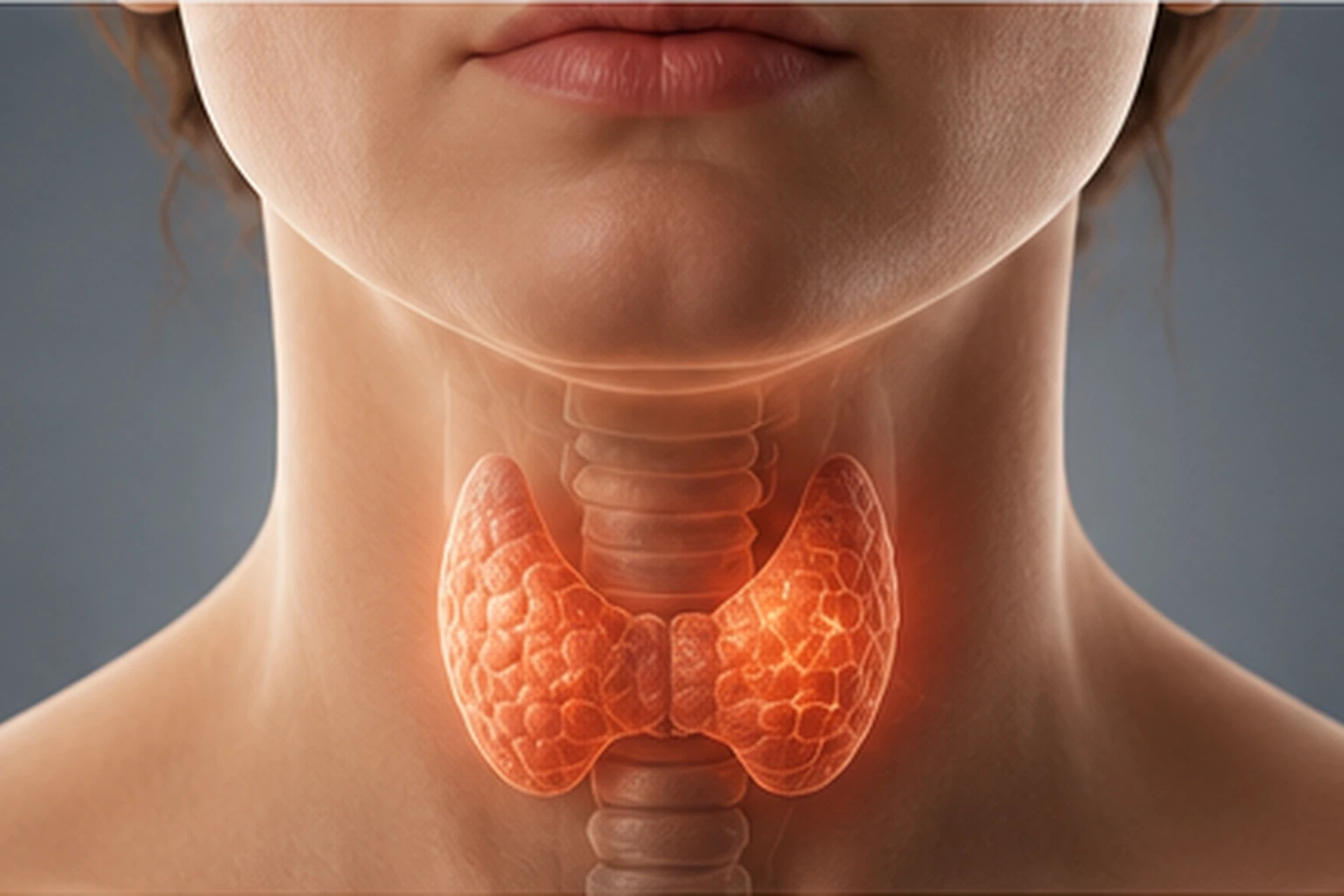
Key facts
- Hyperthyroidism is also known as an overactive thyroid.
- Symptoms can affect heart rate, energy levels and general wellbeing.
- Heart palpitations can be an important symptom of an overactive thyroid.
- TSH and thyroid hormone blood tests are used when hyperthyroidism is being assessed.
- Hyperthyroidism and hypothyroidism are different conditions and should not be treated as the same thyroid disorder.
Signs and symptoms
Hyperthyroidism can cause symptoms such as heart palpitations, fatigue, dizziness and unexplained weight loss.
The pattern and severity vary between people, and symptoms alone cannot confirm an overactive thyroid. Thyroid blood tests are needed when hyperthyroidism is suspected.
Common causes
Hyperthyroidism can develop for different reasons that cause the thyroid to produce or release too much thyroid hormone. Identifying the underlying cause may affect what further assessment or follow-up is appropriate.
How it is checked
A doctor will usually consider your symptoms and medical history together with thyroid blood tests. TSH and thyroid hormone levels such as free T4, and sometimes free T3, may help assess whether the thyroid is overactive. Further assessment depends on the pattern of results and symptoms.
Assessment and investigations
Thyroid Function Test
A thyroid function panel brings together thyroid-related blood results that help assess whether thyroid hormone activity may be higher or lower than expected.
TSH
TSH is one of the main blood tests used when thyroid function is assessed. Its result is interpreted together with thyroid hormone levels such as free T4 rather than on its own.
Free T4
Free T4 measures one of the main thyroid hormones in the blood and is interpreted together with TSH when an overactive thyroid is being assessed.
Free T3
Free T3 may provide additional thyroid-hormone information when the pattern of symptoms or other thyroid results makes further assessment useful.
When to see a doctor
Consider speaking with a doctor if you have persistent or unexplained symptoms such as a fast heartbeat, recurring palpitations, unexplained weight loss, fatigue or dizziness, or if a thyroid blood test has shown an abnormal result that needs interpretation.
Urgent warning signs
Seek urgent medical care if symptoms become severe or rapidly worsen, particularly if a very fast heartbeat occurs with significant shortness of breath, chest pain, fainting or severe illness.
Frequently asked questions
What are common symptoms of hyperthyroidism?
Hyperthyroidism can cause symptoms such as a fast heartbeat or palpitations, fatigue, dizziness and unexplained weight loss. Symptoms vary and need to be considered together with thyroid blood-test results.
What is the difference between hyperthyroidism and an overactive thyroid?
They refer to the same general condition. Hyperthyroidism is the medical term used when thyroid hormone activity is higher than it should be.
What blood tests are used to check for hyperthyroidism?
Thyroid assessment commonly includes TSH and free T4, with free T3 sometimes providing additional information. The results are interpreted together rather than from one value alone.
Can hyperthyroidism cause heart palpitations?
Yes. Palpitations or a fast heartbeat can occur with hyperthyroidism. Persistent or significant palpitations should be assessed, particularly when they occur with dizziness, breathlessness or other concerning symptoms.