








Key facts
- Fatty liver disease often causes no noticeable symptoms.
- Liver blood tests can provide useful information but normal results do not rule out fatty liver.
- Ultrasound may help identify fat in the liver when imaging is clinically appropriate.
- Fatty liver commonly overlaps with metabolic health factors such as diabetes, abnormal cholesterol and increased body weight.
- Assessment usually considers liver and metabolic health together rather than relying on one result.
Signs and symptoms
Many people with fatty liver disease have no symptoms.
When symptoms do occur, they can be nonspecific and may include fatigue or discomfort in the upper abdomen. Symptoms alone cannot determine whether fatty liver is present or how significant it is.
Risk factors
Type 2 diabetes or abnormal blood glucose
High cholesterol or other abnormal blood fats
Increased body weight or other metabolic health risks
High blood pressure
A combination of several metabolic risk factors
Common causes
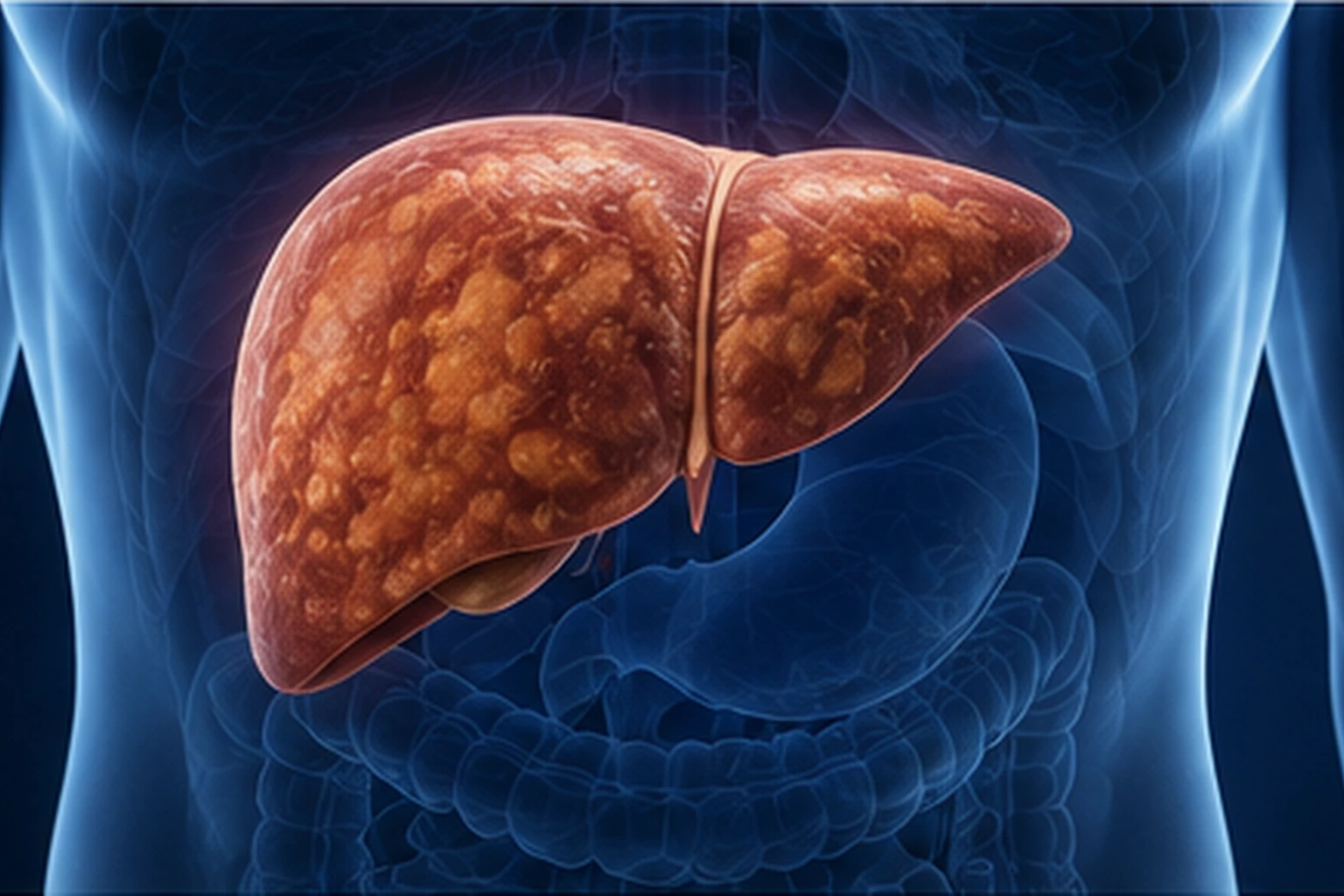
Fatty liver develops when excess fat accumulates in liver cells. It commonly occurs alongside metabolic health problems such as abnormal blood glucose, cholesterol or increased body weight. Other causes of liver fat can also occur, so the underlying cause should be considered together with a person's health history and test results.
How it is checked
A doctor will usually consider your health history, metabolic risk factors and selected blood tests together. Liver-function tests can provide information about liver health, while blood glucose, cholesterol and body measurements can help assess related metabolic factors. An abdominal ultrasound may be considered when imaging is appropriate.
Assessment and investigations
Liver Function Test
Liver-function blood tests can identify changes that may be relevant to liver health, but normal liver enzyme results do not by themselves rule out fatty liver disease.
HbA1c
HbA1c provides information about average blood glucose over time and may help assess metabolic health factors that commonly occur alongside fatty liver disease.
Lipid Profile
A lipid profile measures cholesterol and triglycerides and can help assess metabolic and cardiovascular factors that may accompany fatty liver disease.
Abdominal ultrasound
An abdominal ultrasound may identify changes consistent with fat in the liver when imaging is appropriate, but the result needs to be interpreted together with other clinical information.
When to see a doctor
Consider speaking with a doctor if you have previously been told that you have fatty liver, have abnormal liver test results, or have metabolic risk factors such as diabetes, high cholesterol, high blood pressure or increased body weight and are concerned about your liver health.
Frequently asked questions
Can fatty liver disease have no symptoms?
Yes. Fatty liver often causes no noticeable symptoms, especially earlier on, which is why it may first be noticed through blood tests, imaging or assessment of related metabolic health factors.
Can normal liver tests rule out fatty liver?
No. Liver enzyme results can be normal even when fatty liver is present, so blood tests need to be interpreted together with other clinical information.
Can an ultrasound detect fatty liver?
An abdominal ultrasound may show changes consistent with fat in the liver, but imaging has limitations and does not by itself explain the cause or full severity of liver disease.
Is fatty liver related to diabetes or high cholesterol?
Fatty liver commonly occurs alongside metabolic conditions such as type 2 diabetes, abnormal cholesterol and increased body weight, so these health areas are often assessed together.