








Overview
Good nutrition is less about finding one perfect diet and more about getting enough variety, balance and appropriate portions across the foods you eat regularly.
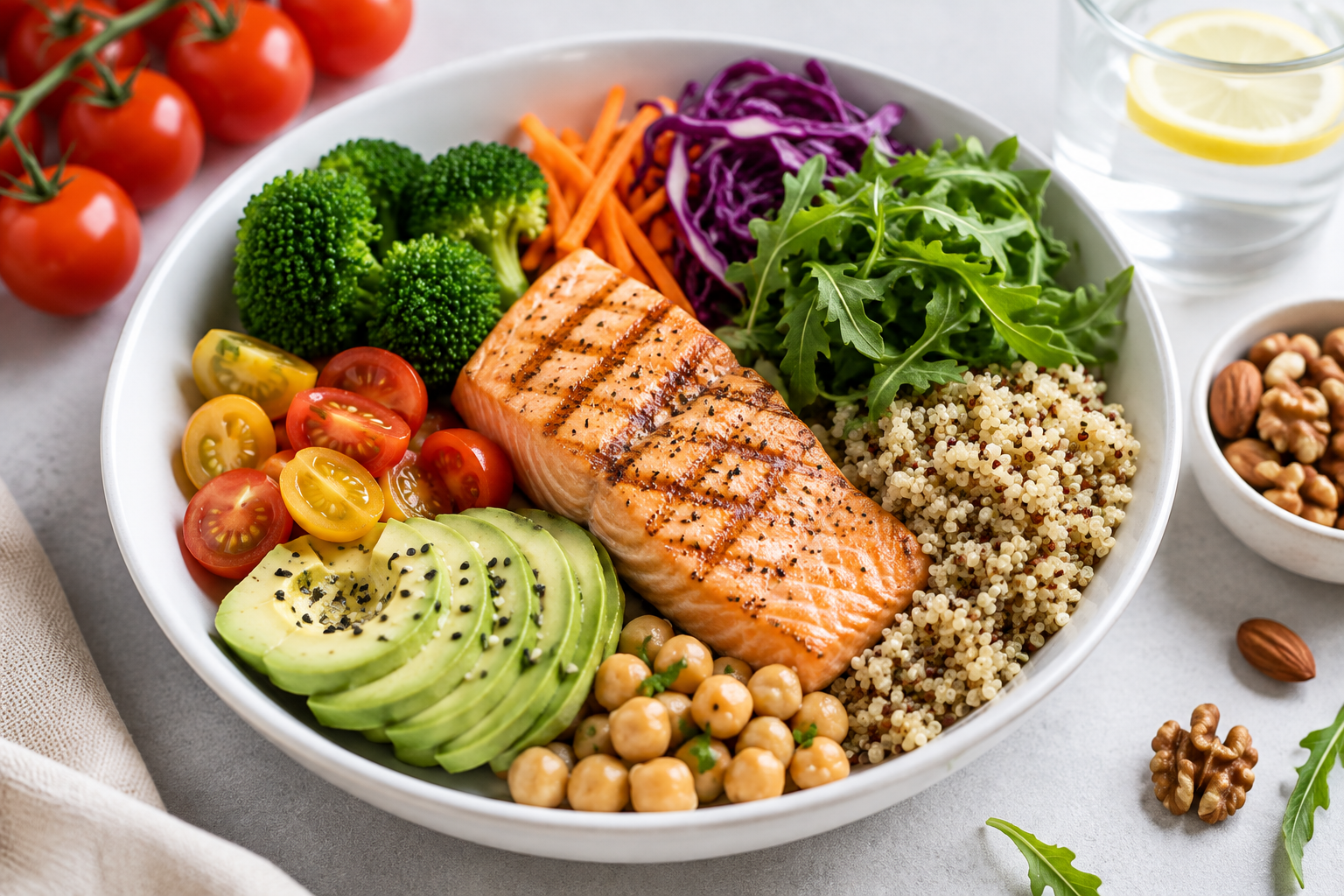
In Malaysia, Suku Suku Separuh — the Malaysian Healthy Plate approach — offers a simple way to think about meal balance: roughly one quarter grains or other carbohydrate foods, one quarter protein, and half vegetables and fruit.
That does not mean every meal has to look identical. Home cooking, kopitiam meals, hawker food and family meals can all fit into healthy eating when you pay attention to portions, vegetables, protein, drinks and how often different foods appear in your routine.
If you have a medical condition such as diabetes, chronic kidney disease or gout, general nutrition advice may need to be adjusted to your individual health needs.
A few things worth keeping an eye on
1. Build a balanced plate
Suku Suku Separuh is a practical starting point: include vegetables and fruit, a source of protein and an appropriate portion of rice, noodles, bread or another carbohydrate rather than letting one food dominate the meal.
2. Portions matter without banning rice
Carbohydrates are not automatically unhealthy. Rice, noodles and bread can remain part of a balanced diet; the amount, type and what you eat alongside them often matter more than simply cutting them out.
3. Look for fibre and vegetables
Vegetables, fruit, legumes and whole grains can add fibre and variety to everyday meals. Rather than chasing one superfood, try to make these foods regular parts of what you eat.
4. Choose protein that fits the meal
Fish, chicken, eggs, tofu, tempeh, beans and other protein foods can all contribute to a balanced diet. Your individual protein needs depend on factors such as body size, activity and health conditions.
5. Drinks count too
Sweetened drinks can add a surprising amount of sugar without making a meal more filling. Water and unsweetened drinks are useful everyday choices while sweeter drinks can be kept less frequent.
6. Eating out can still be balanced
You do not need to avoid mamak, hawker centres or restaurants to eat well. Portion size, vegetables, cooking methods, sauces and drinks are often practical places to make small adjustments.
Questions you may have along the way
What does a balanced diet look like in Malaysia?
A balanced diet includes a variety of foods in sensible proportions rather than relying heavily on one food group. Suku Suku Separuh is one practical Malaysian framework: roughly half the plate vegetables and fruit, one quarter protein and one quarter grains or other carbohydrate foods.
What is Suku Suku Separuh?
Suku Suku Separuh is the Malaysian Healthy Plate concept. It provides a simple visual guide for meal balance by dividing the plate between vegetables and fruit, protein foods and carbohydrate foods.
Do I need to stop eating rice or carbohydrates to eat healthily?
No. Rice and other carbohydrate foods can be part of a balanced diet. Portion size, food quality and what accompanies the carbohydrate usually matter more than removing the entire food group.
How can I eat better if I often eat outside?
Look for manageable changes rather than a perfect meal. You might add vegetables, choose water or an unsweetened drink, adjust the rice or noodle portion, include a suitable protein source or choose less heavily fried options more often.
How much protein or fibre do I need?
Individual needs vary with age, body size, activity, pregnancy and medical conditions. Rather than chasing one number from the internet, focus first on including varied protein foods, vegetables, fruit, legumes and whole grains where appropriate.
Should I follow a special diet if I have diabetes, high cholesterol, gout or kidney disease?
Some medical conditions do affect nutrition advice, but the appropriate changes depend on the condition, medicines, blood results and individual circumstances. Avoid assuming that a restrictive diet recommended for one condition or person is suitable for everyone.
Useful checks for the bigger picture
Diabetes Screening
Diabetes screening uses HbA1c or fasting glucose to find raised blood sugar early, when lifestyle changes and treatment work best.
General Health Screening
General health screening covers a few simple, well-proven checks, like blood pressure and blood sugar, that can pick up common silent conditions early.
Liver Health Screening
Liver screening looks for silent problems such as hepatitis B, hepatitis C and fatty liver, so they can be managed before serious damage is…
Senior Health Screening
Senior screening helps you stay active and independent. It checks everyday abilities as well as common conditions, tailored to your health and wishes.