








Overview
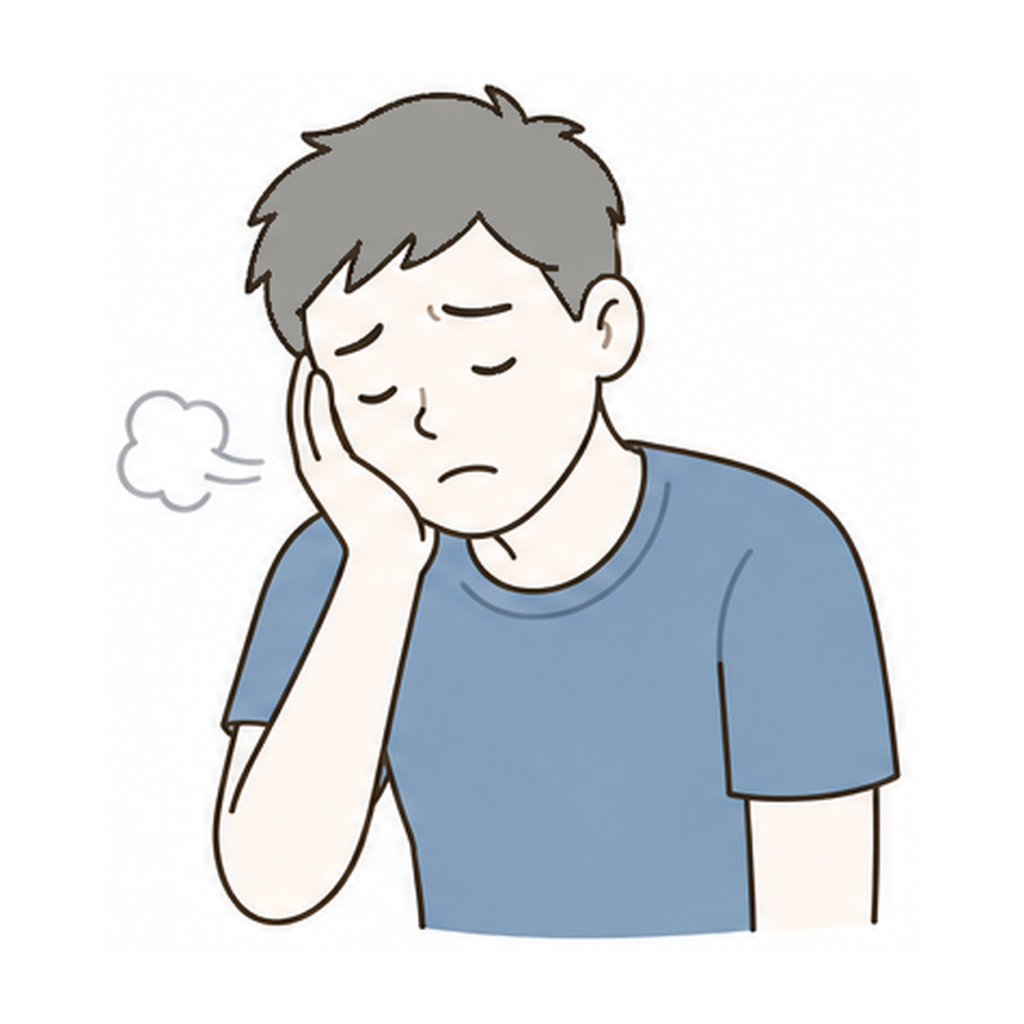
Persistent tiredness can have many underlying causes
What to notice
- How long the tiredness has lasted
- Whether rest or sleep improves it
- Whether sleep has recently changed or is frequently interrupted
- Whether it affects work, exercise or normal daily activities
- Whether there are other symptoms such as dizziness, breathlessness, palpitations, thirst or urinary changes
- Whether there has been an unexplained change in appetite or weight
Common cause groups
Sleep and daily routine
Too little sleep, disrupted sleep, demanding schedules and physical overexertion are common reasons for feeling unusually tired.
Stress, nutrition and lifestyle
Ongoing stress, irregular meals, inadequate nutrition or major changes in activity can contribute to low energy.
Blood or nutrient-related causes
Anaemia, iron deficiency and some vitamin deficiencies can cause fatigue, particularly when tiredness occurs with dizziness, breathlessness or palpitations.
Metabolic, thyroid or organ-related causes
Changes in blood glucose, thyroid function, kidney health or liver health can sometimes contribute to persistent fatigue and may warrant assessment when symptoms continue.
Associated signs
Dizziness
Shortness of breath
Heart palpitations
Frequent urination
Excessive thirst
Poor concentration
Unexplained weight change
Reduced exercise tolerance
How it may be assessed
A doctor will usually start by asking about sleep, daily routine, diet, stress, medicines and any other symptoms. If fatigue is persistent or unexplained, selected blood or urine tests may be considered based on the clinical picture rather than using one standard test panel for everyone.
Assessment and investigations
Full Blood Examination
A blood count may help identify anaemia or other blood changes when persistent tiredness occurs with symptoms such as dizziness, breathlessness or reduced exercise tolerance.
Blood Glucose
Blood glucose or HbA1c may be considered when fatigue occurs with risk factors or symptoms such as excessive thirst or frequent urination.
Thyroid Function
Thyroid testing may be useful when fatigue occurs together with symptoms such as palpitations, temperature intolerance or unexplained weight changes.
Iron and Nutrient Assessment
Iron studies, vitamin B12 or vitamin D testing may be considered when the person's history, symptoms or other blood results suggest a deficiency could be relevant.
When to get checked
Consider medical assessment if fatigue persists despite adequate rest, keeps getting worse, significantly affects normal daily activities, or occurs together with other unexplained symptoms such as breathlessness, dizziness, palpitations, frequent urination or weight change.
Urgent warning signs
Seek prompt medical care if severe fatigue occurs with chest pain, significant difficulty breathing, fainting, confusion, severe weakness or another sudden or rapidly worsening symptom.
Frequently asked questions
Why am I tired all the time?
Constant tiredness can have many causes, including poor sleep, stress, demanding routines, nutritional factors and medical conditions such as anaemia, thyroid problems or changes in blood glucose. Persistent fatigue is best considered together with your other symptoms and health history.
What is the difference between feeling tired and fatigue?
Ordinary tiredness often improves after adequate rest or sleep. Fatigue can feel more persistent, may affect daily activities and may not fully improve with rest.
What tests may be considered for persistent fatigue?
There is no single test for fatigue. Depending on your symptoms and health history, a doctor may consider checks such as a blood count, glucose, thyroid function or selected nutrient and organ-function tests.
Screening context
Related Screening Guides
Comprehensive Health Screening
Comprehensive health screening builds on the basics with extra checks chosen for your age, risk and history, rather than every test available.
Learn MoreDiabetes Screening
Diabetes screening uses HbA1c or fasting glucose to find raised blood sugar early, when lifestyle changes and treatment work best.
Learn MoreGeneral Health Screening
General health screening covers a few simple, well-proven checks, like blood pressure and blood sugar, that can pick up common silent conditions early.
Learn MoreKidney Health Screening
Kidney screening combines a blood test (eGFR) and a urine albumin test (ACR) to spot kidney disease early, especially with diabetes or high blood pressure.
Learn MoreLiver Health Screening
Liver screening looks for silent problems such as hepatitis B, hepatitis C and fatty liver, so they can be managed before serious damage is done.
Learn MoreWomen’s Health Screening
Women's health screening changes as you move through life. Learn which checks guidelines recommend, when to start, and which tests are not advised.
Learn MoreSenior Health Screening
Senior screening helps you stay active and independent. It checks everyday abilities as well as common conditions, tailored to your health and wishes.
Learn More