








Key facts
- PCOS affects about 10 to 13 in every 100 women of reproductive age.
- In 2026 PCOS was renamed polyendocrine metabolic ovarian syndrome (PMOS); how it is diagnosed has not changed.
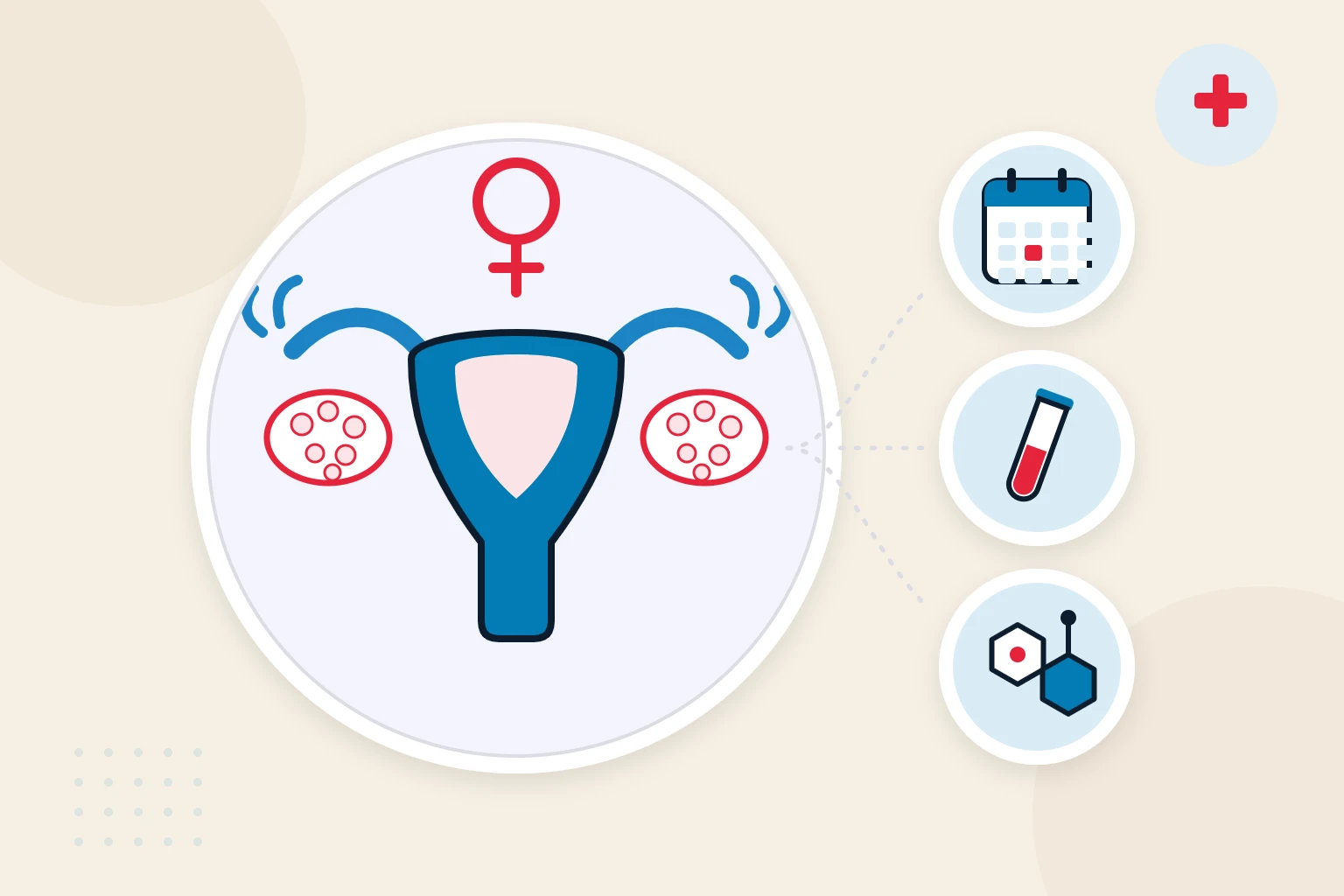
- Not everyone with PCOS is overweight, and the ovaries do not contain abnormal cysts.
- PCOS raises the risk of type 2 diabetes, so regular blood sugar checks are recommended.
- Healthy lifestyle changes are recommended for everyone with PCOS.
Signs and symptoms
Common symptoms include irregular, infrequent or absent periods, excess hair on the face or body, acne or oily skin, thinning scalp hair, weight gain or difficulty losing weight, and difficulty getting pregnant. Some people also notice darker skin patches on the neck or armpits, low mood or anxiety.
Some people have few symptoms, and these symptoms can have other causes such as thyroid or other hormone problems. Symptoms alone cannot confirm PCOS, so assessment and blood tests are needed.
Risk factors
A close relative with PCOS
Asian background
Insulin resistance
Being above a healthy weight, which can make symptoms worse
Common causes
The exact cause is not fully understood. It involves a mix of genes, hormone imbalance with higher androgen (male-type hormone) levels and insulin resistance, which can affect ovulation and periods.
How it is checked
Your doctor will ask about your periods, skin and hair changes, weight and pregnancy plans, and examine you. Blood tests check hormones such as testosterone and rule out other causes like thyroid problems and raised prolactin, and an ultrasound or AMH test may be used in adults. Blood sugar, cholesterol and blood pressure are also checked because of the long-term health risks.
Assessment and investigations
Testosterone Test
Measures male-type hormone levels, which are often raised in PCOS; results are interpreted with your symptoms.
Thyroid Test (TSH)
Helps rule out thyroid problems, which can also cause irregular periods and weight changes.
Pelvic Ultrasound
Looks at the ovaries and womb lining in adults; it is not recommended for diagnosing PCOS in teenagers.
HbA1c (Blood Sugar)
Checks for raised blood sugar, because PCOS increases the risk of prediabetes and type 2 diabetes.
When to see a doctor
See a doctor if your periods are irregular or absent, you have increasing facial or body hair, persistent acne or difficulty getting pregnant, or if you have PCOS and have not had your blood sugar checked recently.
Urgent warning signs
Seek prompt medical review if you notice rapidly worsening hair growth, a deepening voice or other signs of virilisation, as these need urgent assessment for other causes.
Treatment and management
Treatment is tailored to your symptoms and goals. Healthy eating and regular activity are recommended for everyone. The combined contraceptive pill can regulate periods and reduce excess hair and acne, metformin may be considered for some adults, and letrozole is the first-line medicine to help ovulation when trying to conceive.
Regular checks of blood sugar, cholesterol, blood pressure and mood are part of long-term care.
Prevention
PCOS cannot be prevented, but its long-term risks can be reduced. Staying active, eating a balanced diet, avoiding weight gain and having regular checks of blood sugar, cholesterol and blood pressure help protect your health. Long gaps without periods should be discussed with your doctor, as the womb lining may need protecting.
Frequently asked questions
Why was PCOS renamed PMOS?
In 2026 an international expert group renamed PCOS polyendocrine metabolic ovarian syndrome (PMOS), because there are no abnormal cysts on the ovaries and the condition affects hormones and metabolism. How it is diagnosed and cared for has not changed.
Can I get pregnant if I have PCOS?
Yes. Many women with PCOS conceive, some with help. Lifestyle changes and fertility medicines such as letrozole can help with ovulation, so talk to your doctor if you are planning pregnancy.
Do I need to lose weight to manage PCOS?
Healthy eating and activity help everyone with PCOS. If you are above a healthy weight, modest weight loss can improve symptoms, but not everyone with PCOS is overweight.
Does PCOS mean I will get diabetes?
Not necessarily, but your risk is higher. Regular blood sugar checks are recommended, along with cholesterol and blood pressure checks.
Can teenagers be diagnosed with PCOS?
Yes, but more carefully. Irregular periods are common in the first years after periods start, ultrasound is not recommended in teenagers, and some may be reassessed later.