








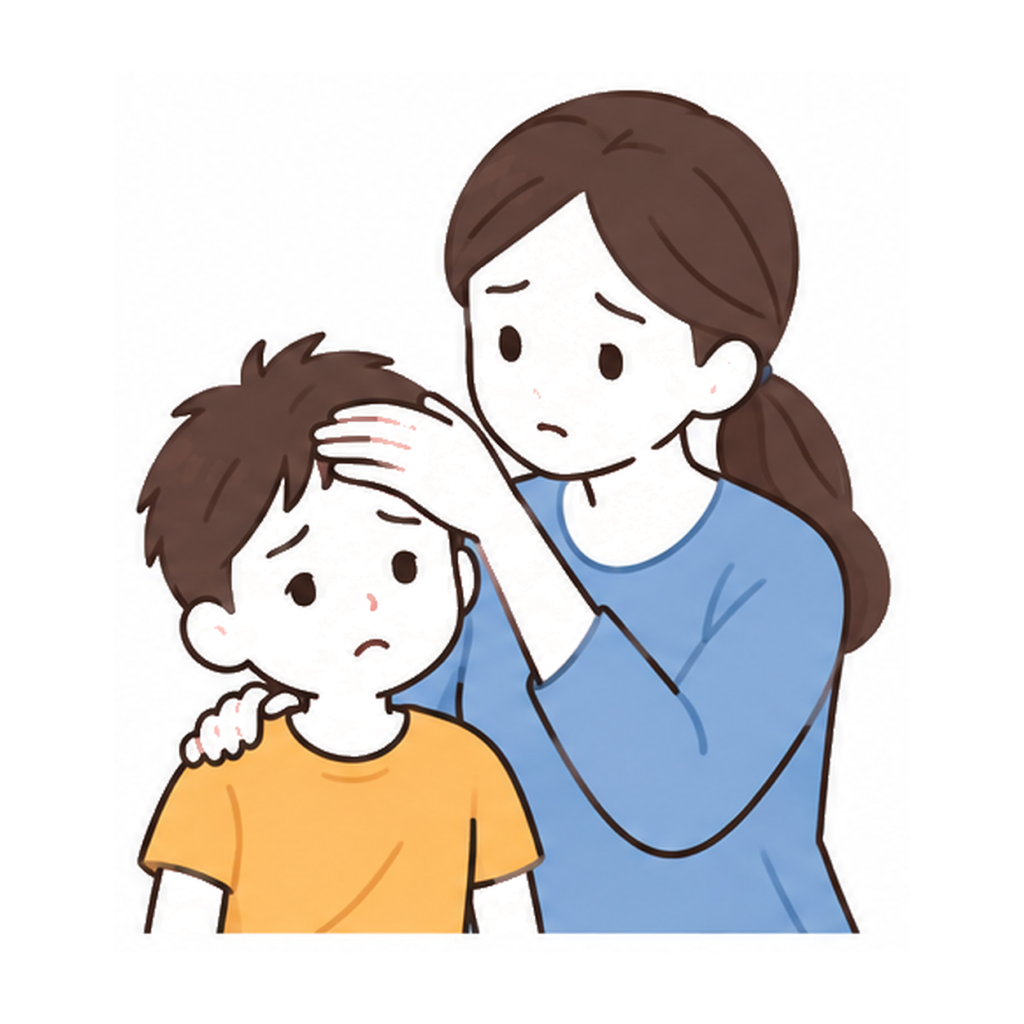
Overview
Growth concerns, feeding issues, behaviour changes
What to notice
- The child’s age and usual behaviour
- When the change started and whether it is getting better or worse
- Whether the child is eating and drinking normally
- Whether urine output has decreased
- Whether the child is unusually sleepy, irritable or less active
- Any change in weight, growth or developmental progress
- Whether there is fever, cough, rash, vomiting, diarrhoea or pain
- Whether the concern is interfering with normal play, school, sleep or daily activities
Common cause groups
Common childhood illnesses
Viral and other infections can cause changes in energy, appetite, sleep and behaviour, often together with symptoms such as fever, cough, runny nose or rash.
Feeding and digestive problems
Poor appetite, feeding difficulty, vomiting, constipation, diarrhoea and abdominal discomfort can affect how a child eats, sleeps and behaves.
Growth and developmental concerns
Children develop at different rates, but persistent concerns about growth, movement, speech, learning or loss of previously acquired abilities should be discussed with a healthcare professional.
Sleep, routine and emotional factors
Changes in sleep, school, family routine or emotional stress can affect behaviour, appetite and energy. Persistent or marked changes may still deserve assessment, particularly when they affect everyday function.
Associated signs
Fever
Cough or breathing symptoms
Rash
Vomiting or diarrhoea
Poor feeding or reduced appetite
Reduced urine output
Unusual sleepiness or reduced activity
Persistent irritability
Weight loss or poor growth
Pain or persistent crying
How it may be assessed
A doctor will usually consider the child’s age, growth, development, feeding, sleep, activity and behaviour together with the main concern.
Questions may include when the change started, whether the child is eating and drinking normally, urine and bowel habits, recent illnesses, medicines and vaccination history. Physical examination and growth measurements usually come before deciding whether any tests are needed.
When to get checked
Consider medical assessment when a change in feeding, behaviour, growth, development, sleep or activity persists, keeps returning, is getting worse or is noticeably different from the child’s usual pattern.
Assessment is also reasonable when parents or caregivers remain concerned even when the child cannot clearly describe what feels wrong.
Urgent warning signs
Seek urgent medical care if a child has severe difficulty breathing, is difficult to wake, has a seizure, becomes unusually floppy or confused, shows signs of severe dehydration, has severe or rapidly worsening pain, or appears seriously unwell.
Frequently asked questions
How can I tell if my child is really unwell?
Look at the whole child rather than one symptom alone. Changes in alertness, activity, breathing, drinking, urine output and interaction can provide useful clues, especially when they are clearly different from the child’s usual behaviour.
Should I worry if my child is eating less than usual?
A temporary reduction in appetite can happen during minor illnesses, but persistent poor feeding or reduced drinking deserves more attention, particularly when it occurs with reduced urine output, vomiting, unusual sleepiness or weight concerns.
When should I be concerned about my child’s growth or development?
Children develop at different rates, so variation is common. Consider discussing concerns when growth appears to slow significantly, developmental progress seems persistently different from expected patterns, or a child loses skills they previously had.
Can behaviour changes be caused by illness?
Yes. Younger children may become unusually quiet, irritable, clingy or sleepy when they feel unwell. Behaviour can also change with poor sleep, stress or changes in routine, so the pattern and any accompanying physical symptoms are important.