










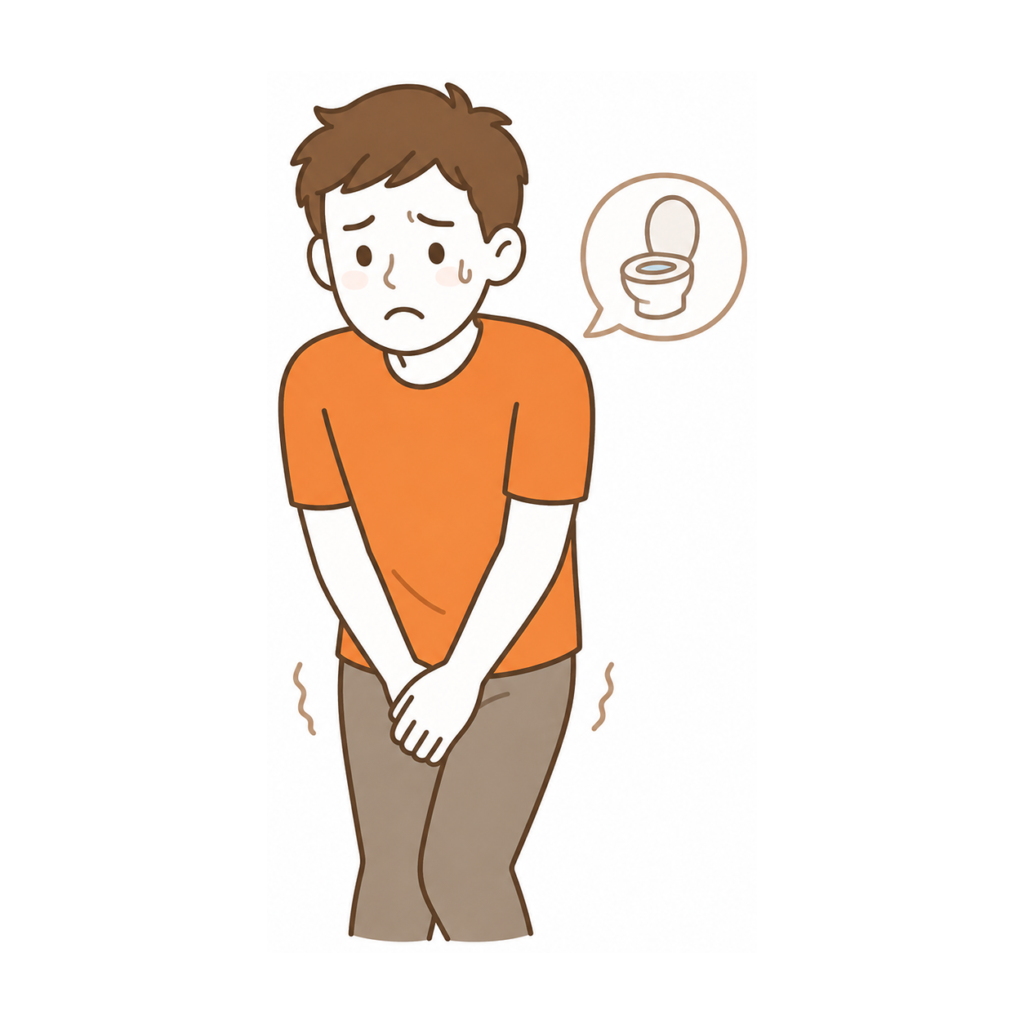
What to notice
- Whether you are urinating more often than is normal for you
- Whether you are passing small or large amounts of urine each time
- Whether you wake repeatedly at night to urinate
- Whether you have recently increased water, caffeine or other drinks
- Whether there is pain, burning, urgency or blood when urinating
- Whether you also feel unusually thirsty, tired or unwell
Common cause groups
Fluids and caffeine
Drinking more fluids than usual, especially drinks containing caffeine, can naturally increase how often you need to urinate.
Medicines
Some medicines increase urine production or can affect bladder habits, so recent medication changes may be relevant.
Urinary or bladder causes
Irritation, infection and other urinary tract or bladder problems can cause frequent urges, sometimes with pain, burning or urgency.
Metabolic or kidney-related causes
Diabetes and some kidney-related conditions can sometimes cause changes in urination, particularly when frequent urination occurs with excessive thirst or other symptoms.
Associated signs
Excessive thirst
Fatigue
Pain or burning when urinating
Urgency
Blood in the urine
Foamy or unusual-looking urine
Night-time urination
Changes in urine volume
How it may be assessed
A doctor will usually ask when the change started, how often you are urinating, how much fluid you drink, whether you wake at night and whether there are urinary or other symptoms. Depending on the pattern, urine testing, blood glucose checks or kidney-function tests may help identify which areas need further assessment.
Assessment and investigations
Urine Test
A urine examination can help identify changes such as blood, protein or signs that may support further assessment of a urinary cause.
Blood Glucose
Blood glucose or HbA1c may be considered when frequent urination occurs with symptoms or risk factors that make changes in blood sugar relevant.
Kidney Function Test
Kidney-function testing may be considered when frequent urination occurs with other urinary changes or when kidney health needs broader assessment.
When to get checked
Consider medical assessment if frequent urination is a new or persistent change, repeatedly interrupts your sleep, affects daily activities, or occurs together with excessive thirst, fatigue, urinary discomfort or other unexplained symptoms.
Urgent warning signs
Seek prompt medical assessment if frequent urination occurs with visible blood in the urine, significant pain, fever with feeling very unwell, or difficulty passing urine despite a strong urge. New urinary symptoms during pregnancy should also be discussed with a healthcare professional.
Frequently asked questions
What causes frequent urination?
Frequent urination can be related to drinking more fluids or caffeine, medicines, urinary or bladder problems, diabetes and other health conditions. Other symptoms and the amount of urine being passed can help guide assessment.
Why am I urinating more often at night?
Waking repeatedly to urinate is called nocturia. It can have several causes, including evening fluid intake, medicines and urinary or other health conditions, so persistent changes are best considered in context.
Does frequent urination mean diabetes?
No. Diabetes is one possible cause of frequent urination, especially when it occurs with excessive thirst, but there are many other possible causes. Symptoms alone cannot diagnose diabetes.
Screening context
Related Screening Guides
Comprehensive Health Screening
Comprehensive health screening builds on the basics with extra checks chosen for your age, risk and history, rather than every test available.
Learn MoreDiabetes Screening
Diabetes screening uses HbA1c or fasting glucose to find raised blood sugar early, when lifestyle changes and treatment work best.
Learn MoreKidney Health Screening
Kidney screening combines a blood test (eGFR) and a urine albumin test (ACR) to spot kidney disease early, especially with diabetes or high blood pressure.
Learn More