








Overview
Chronic diseases, also called long-term conditions or non-communicable diseases (NCDs), can include diabetes, high blood pressure, high cholesterol and other conditions that need attention over time. Some develop quietly, while others become part of everyday life once diagnosed.
Looking after them does not have to mean thinking about illness every day. Knowing your important health numbers, building habits you can maintain and keeping up with the checks that matter can all help you make informed choices about your health.
A few things worth keeping an eye on
1. Know your numbers
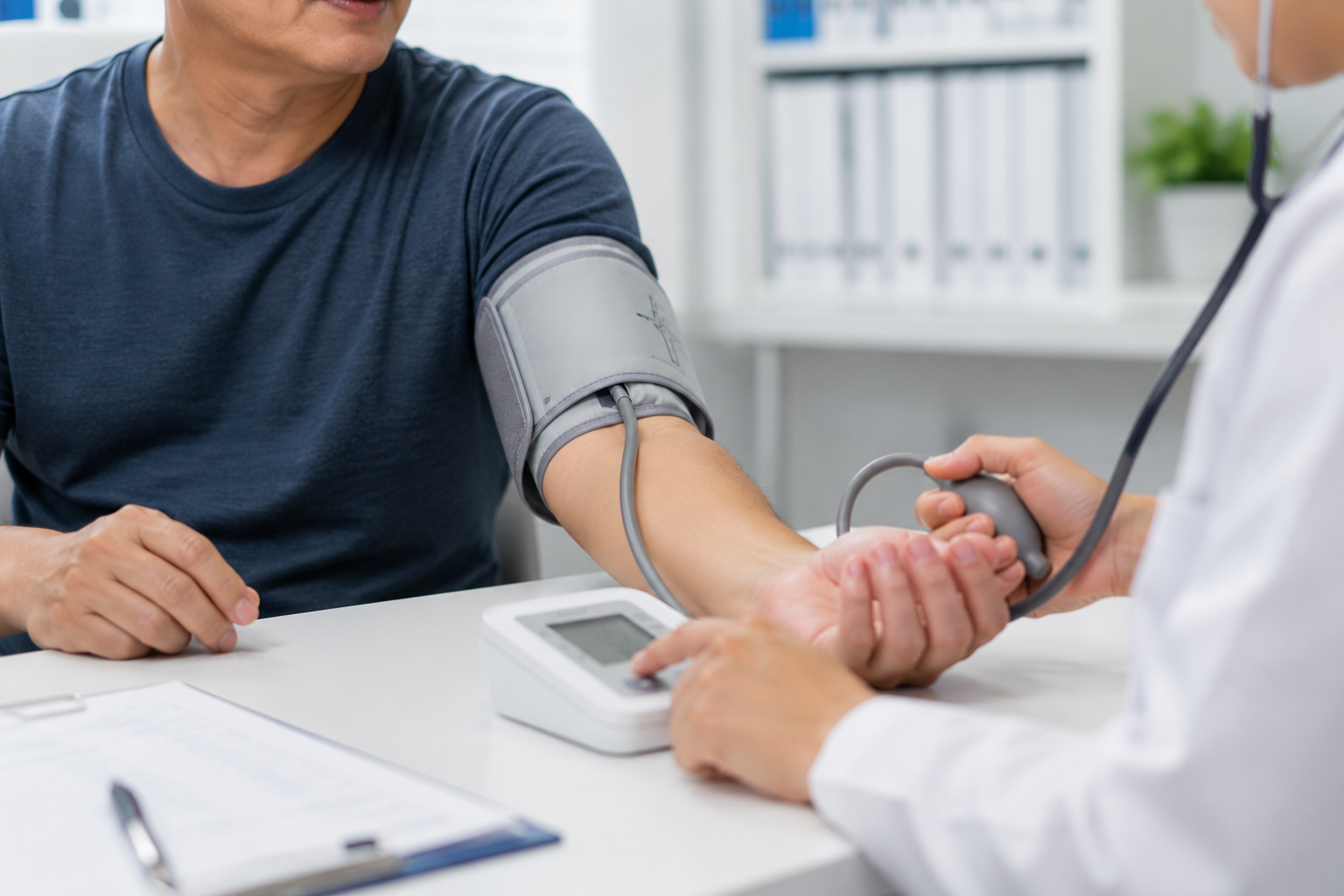
Blood pressure, blood sugar and cholesterol can tell you things that how you feel alone may not. Keep a record when you have them checked.
2. Family history matters
Diabetes, high blood pressure and other long-term conditions can run in families. Knowing your family history can help you understand what may deserve more attention.
3. Choose habits you can keep
Regular movement, balanced meals, enough sleep and avoiding smoking matter more when they become part of ordinary life—not just a short-lived health kick.
4. Feeling well is still worth checking
Some long-term health problems may cause few noticeable symptoms at first. Routine checks can help uncover changes before you would otherwise notice them.
5. Keep medicines simple
If you take regular medicines, keeping an up-to-date list can make appointments easier and reduce confusion—especially when more than one condition is being managed.
6. Look at trends, not one number
A single reading is only one moment. Changes in blood pressure, blood sugar, cholesterol or weight over time can give your doctor a more useful picture.
7. Make check-ups count
Bring recent results, your medicine list and the questions you have been meaning to ask. A little preparation can make a routine review much more useful.
Questions you may have along the way
Q1. What is a chronic disease or NCD?
A chronic disease is a health condition that usually needs attention over a longer period rather than resolving after a short illness. “NCD” means non-communicable disease—conditions such as diabetes and high blood pressure that are not passed from person to person.
Q2. Can I lower my risk if chronic diseases run in my family?
Family history can affect your risk, but it is only part of the picture. Everyday habits, smoking, weight, age and other health factors also matter. Knowing your family history can help you and your doctor decide what is worth watching more closely.
Q3. Why check my blood pressure, blood sugar or cholesterol if I feel healthy?
These measurements can sometimes change without causing obvious symptoms. Checking them when appropriate gives you a clearer picture of your health than symptoms alone.
Q4. How often should I have these health numbers checked?
There is no single schedule for everyone. How often you need blood pressure, blood sugar, cholesterol or other tests depends on your age, previous results, family history, existing conditions and medicines. A doctor can help set a sensible schedule for you.
Q5. What should I bring to a long-term condition review?
If you have them, bring recent test results, home readings, a list of your medicines and supplements, and any questions or changes you have noticed. It can help make the consultation more focused and useful.
Learn a little more
View all articles →
Health Screening and Its Importance: A Guide for Kepong Families
Health screening is basically the “early warning system” for your body, helping to catch silent problems before they become emergencies or expensive…
Read article
GLP-1 Weight Loss Injection: When is it actually worth considering
Barely a week goes by now without someone asking me about the GLP-1 weight loss injection. Sometimes it is a patient with…
Read article
Diabetic Kidney Disease: Signs, Tests & How to Slow It
Diabetic Kidney Disease: The Complication You Won’t Feel If you have diabetes, you have probably been told to watch your eyes and…
Read articleUseful checks for the bigger picture
Comprehensive Health Screening
Comprehensive health screening builds on the basics with extra checks chosen for your age, risk and history, rather than every test available.
Diabetes Screening
Diabetes screening uses HbA1c or fasting glucose to find raised blood sugar early, when lifestyle changes and treatment work best.
General Health Screening
General health screening covers a few simple, well-proven checks, like blood pressure and blood sugar, that can pick up common silent conditions early.
Colorectal Cancer Screening
Bowel screening can find colorectal cancer early and even prevent it, by spotting and removing polyps before they turn into cancer.
Heart & Cardiovascular Screening
Heart screening looks at blood pressure, cholesterol, sugar and smoking to estimate your heart attack and stroke risk, so you can act early.
Kidney Health Screening
Kidney screening combines a blood test (eGFR) and a urine albumin test (ACR) to spot kidney disease early, especially with diabetes or high blood…
Liver Health Screening
Liver screening looks for silent problems such as hepatitis B, hepatitis C and fatty liver, so they can be managed before serious damage is…
Senior Health Screening
Senior screening helps you stay active and independent. It checks everyday abilities as well as common conditions, tailored to your health and wishes.