
 Article
Tiny Itchy Blisters on Your Fingers? It Could Be Dyshidrotic Eczema
Tiny, very itchy water blisters on your fingers, palms or feet may be dyshidrotic eczema (pompholyx). Learn the common triggers, how it is treated,…
 Tiny Itchy Blisters on Your Fingers? It Could Be Dyshidrotic Eczema
 Medical Weight Management in Malaysia: Why Your Plan Should Be Personalised
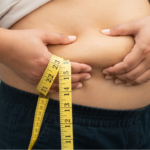 Medical Weight Management in Kepong: More Than Dieting, More Than Injections
 Can You Reverse Prediabetes? 4 steps for Malaysians
 How to Start a Healthy Lifestyle: 7 Habits Busy Malaysians Can Keep
 Type 2 Diabetes: What Should We Be Aware Of?
 甲洞诊所怎么选?医生终于坦诚相见
 Pap Smear or HPV Test? Cervical Screening in Malaysia
 Haze in Malaysia: 7 Steps to Protect Your Family
 如何保持健康:真正有用的 7 个习惯
Medilove Health Diary
Search doctor-reviewed information about symptoms, health conditions, medical tests and practical health topics.

The complete library
84 records
Article
Tiny, very itchy water blisters on your fingers, palms or feet may be dyshidrotic eczema (pompholyx). Learn the common triggers, how it is treated,…
 Article
BMI alone doesn't tell the whole story. Learn how waist size, your weight history and health complications shape a personalised weight plan in Malaysia.
 Article
More than half of Malaysian adults are overweight or living with obesity — this is not a willpower problem. A doctor from Medilove Clinic…
 Article
Malaysia draws the prediabetes line in a different place from the websites most people read. Here is what an HbA1c of 5.7–6.2% or a…
 Article
Want to get healthier but feel too busy? Learn how to start a healthy lifestyle with 7 simple, practical habits designed specifically for the…
 Article
Effective diabetes care goes beyond just lowering blood sugar. Discover essential tips on medications, daily habits, and crucial screenings to protect your heart, kidneys,…
 Article
距离是最容易比较的条件,却是最没用的一个。一位在甲洞执业的医生,坦白说明一间「值得长期跟诊」的诊所和一间「一年内就会想换」的诊所,差别到底在哪里——还有什么情况根本不该来诊所,该直接去医院。
 Article
Malaysia now uses the HPV test first for cervical screening in women 30–49. What's changed, how self-sampling works, and what a positive result means.
 Article
Batu Muda, the air-quality station nearest Kepong, has been in the unhealthy range for days. A Kepong doctor walks through the Ministry of Health's…
 Article
保持健康不靠补品,也没有捷径——靠的是七个普通习惯长期坚持。这篇文章说明每个习惯到底有什么用、为什么「感觉没事」正是该开始的理由,以及在大马的日常生活里该怎么落实。
 Article
Most people who ask for a heart check want an ECG. But a resting ECG is normal in most people who later have a…
 Article
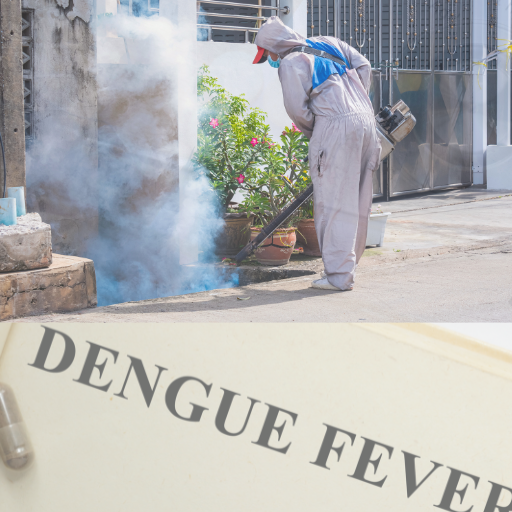
When the fever breaks, most people relax. With dengue, that is exactly when the dangerous phase begins. Klang Valley cases are up 56% this…
 Article
"Full body" is a shopping word, not a medical one. Here is what a screening actually checks — grouped by body system — which…
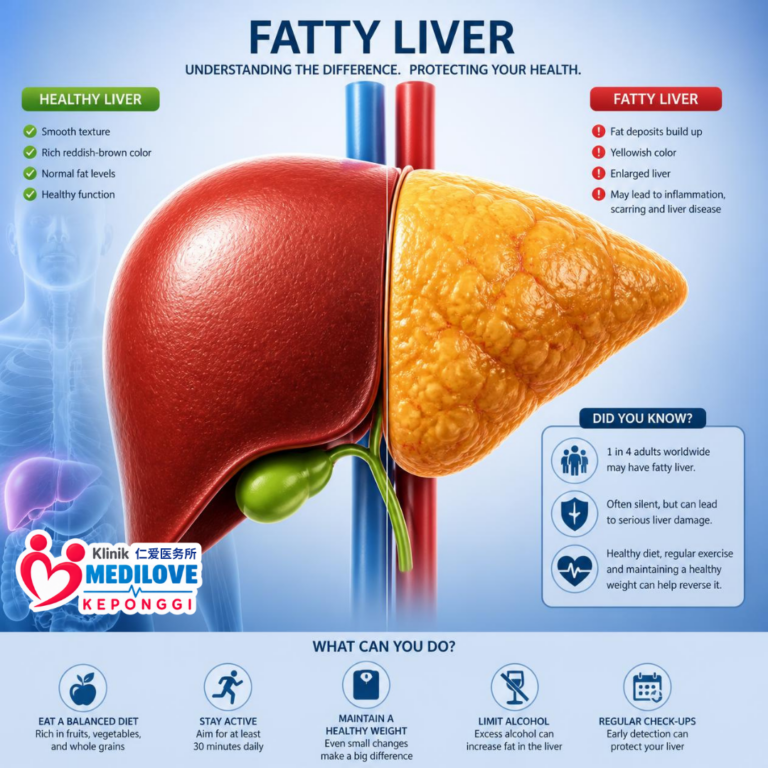 Article
Over 28% of Malaysian adults have metabolic fatty liver disease—and most feel completely fine. Here is how to read your screening report, understand the…
 Article
Most people who ask us about health screening in Kepong have already been thinking about it for months. Something prompted it — a colleague’s…
 Article
Diabetic Kidney Disease: The Complication You Won’t Feel If you have diabetes, you have probably been told to watch your eyes and your feet.…
Article
Barely a week goes by now without someone asking me about the GLP-1 weight loss injection. Sometimes it is a patient with type 2…
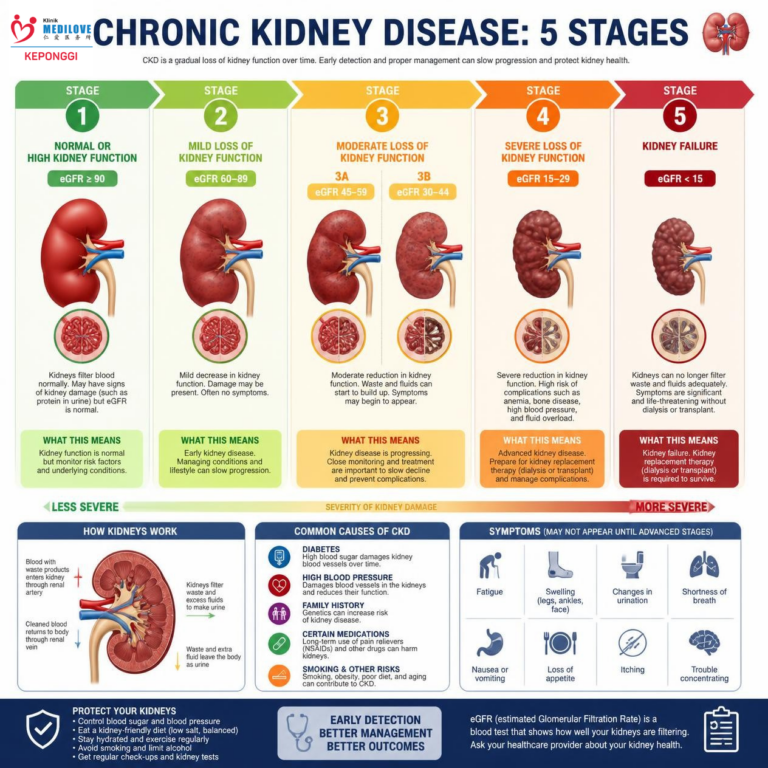 Article
Chronic kidney disease (CKD) means your kidneys are damaged and cannot filter your blood as well as they should. CKD usually happens slowly over…
 Article
Starting a family is an exciting journey, but a healthy pregnancy begins even before conception. Many couples only start thinking about their health after…
Article
“It’s probably nothing, let’s just wait a few more days.” Not sure when to see a doctor and when it’s safe to wait it…
 Article
Health screening is basically the “early warning system” for your body, helping to catch silent problems before they become emergencies or expensive chronic disease.…
 Health Topic
 Health Topic
Healthy living is less about perfect routines and more about habits you can keep. Explore practical ways to move more, sleep better, manage stress and look after your long-term health.
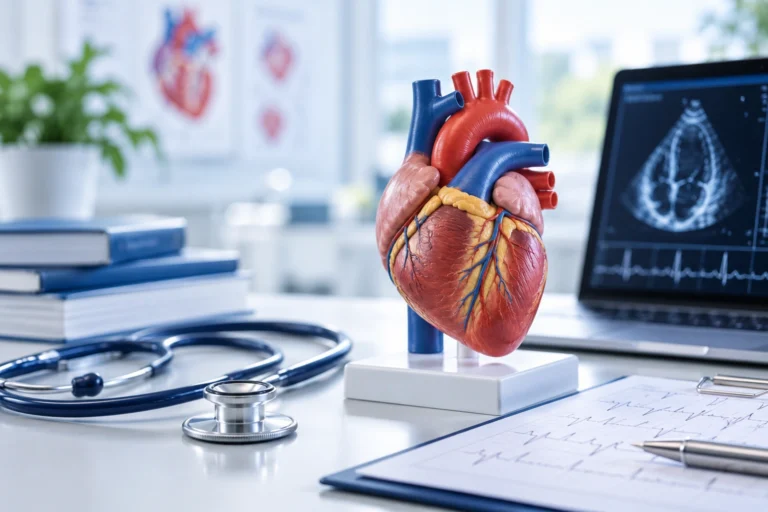 Health Topic
Heart health is about more than one test or one number. Learn how blood pressure, cholesterol, lifestyle and other risk factors fit together — and which symptoms should not be ignored.
 Health Topic
Kidney problems can develop quietly. Learn who may need closer kidney monitoring, what blood and urine tests can show, and which changes are worth discussing with a healthcare professional.
 Health Topic
Men’s health is broader than testosterone or prostate problems. Learn what deserves attention at different stages of life, including cardiovascular risk, sexual health, urinary changes and preventive care.
 Health Topic
Mental health can change with stress, sleep, work, relationships and physical health. Learn how to recognise changes in mood and daily function without trying to diagnose yourself from a checklist.
 Health Topic
 Health Topic
Children's state change quickly, and it is not always obvious what is abnormal. Learn what to watch as your child grows, when common symptoms may need attention, and how records and routine care can help.
 Health Topic
Medical information can be difficult to interpret on your own. Learn how to approach blood test results, reference ranges, test preparation and clinic visits without jumping to a diagnosis from one number.
 Health Topic
Healthy breathing depends on your lungs, airways and the air you breathe. Learn what can affect respiratory health, which symptoms are worth watching and when breathing problems need prompt assessment.
 Health Topic
Good health in later life is not only about avoiding disease. Learn how movement, medicines, nutrition, safety and regular health review can help older adults stay independent and well.
Health Topic
Learn how Asian BMI and waist cut-offs are used in Malaysia, why losing 5–10% of body weight can already improve blood pressure, blood sugar and cholesterol, and how food, activity, behaviour support and, for some people, medicines fit into a long-term plan.
 Health Topic
Women’s health changes across life stages. Explore periods, preventive screening, fertility and pregnancy planning, menopause and the wider physical and emotional health concerns that matter along the way.
 Condition
Atrial fibrillation (AF) is an irregular heart rhythm that can cause palpitations, tiredness, dizziness or shortness of breath, although some people have no noticeable symptoms. An ECG is usually needed to confirm the rhythm, while other checks can help identify contributing conditions and assess overall cardiovascular risk.
 Condition
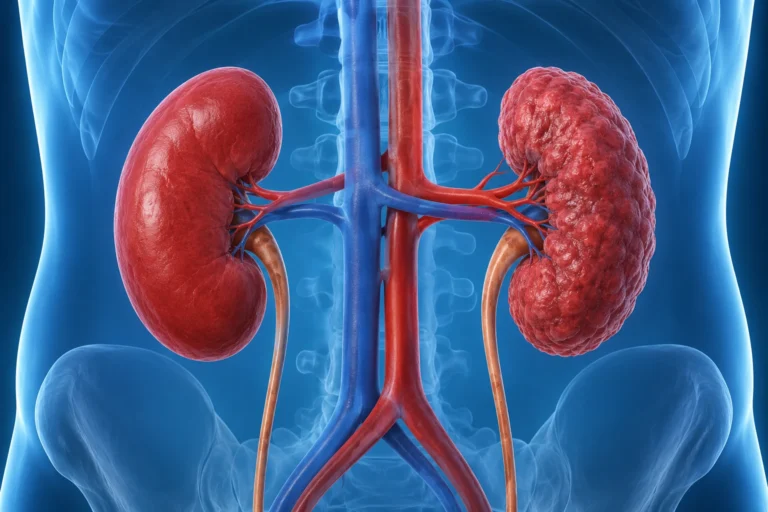
Chronic kidney disease (CKD) means the kidneys have ongoing damage or reduced filtering ability over time. Many people feel well in the early stages. As CKD progresses, symptoms such as fatigue, foamy urine, swelling or changes in urination may appear. Assessment usually combines kidney-function blood tests with urine testing and medical history.
 Condition
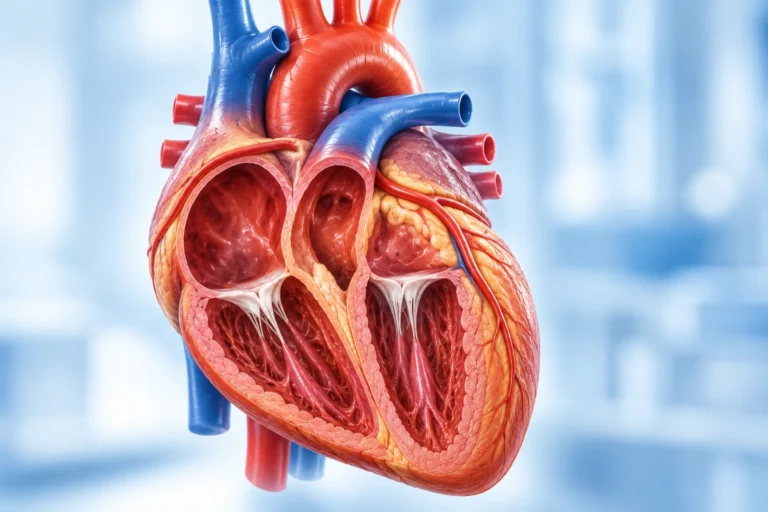
Coronary heart disease occurs when the arteries supplying the heart become narrowed by fatty plaque buildup. It can cause chest pain, breathlessness or reduced exercise tolerance, but symptoms vary. High blood pressure, high cholesterol, diabetes and smoking are important risk factors.
 Condition
Dyshidrotic eczema (pompholyx) is a recurring form of eczema that affects the hands and feet. It usually starts with itching, burning or prickling, followed by small fluid-filled blisters along the sides of the fingers, on the palms or on the soles. As they settle, the skin may peel, crack and feel sore. A doctor usually assesses it by examining the rash and asking about possible triggers.
 Condition
Eczema is a common, long-term inflammatory skin condition. Atopic eczema, the most common type, often starts in childhood but can affect people of any age. It causes dry, itchy skin that may look red or darker than usual and become scaly, cracked or thickened, often in skin creases, on the hands or on a baby's face. A doctor usually diagnoses it from the pattern of the rash and your history.
 Condition
Fatty liver disease occurs when excess fat accumulates in the liver. Many people have no noticeable symptoms, particularly in the earlier stages. Fatty liver often occurs alongside metabolic health factors such as abnormal blood glucose, cholesterol or increased body weight, so assessment may include liver blood tests, metabolic checks and imaging when appropriate.
 Condition
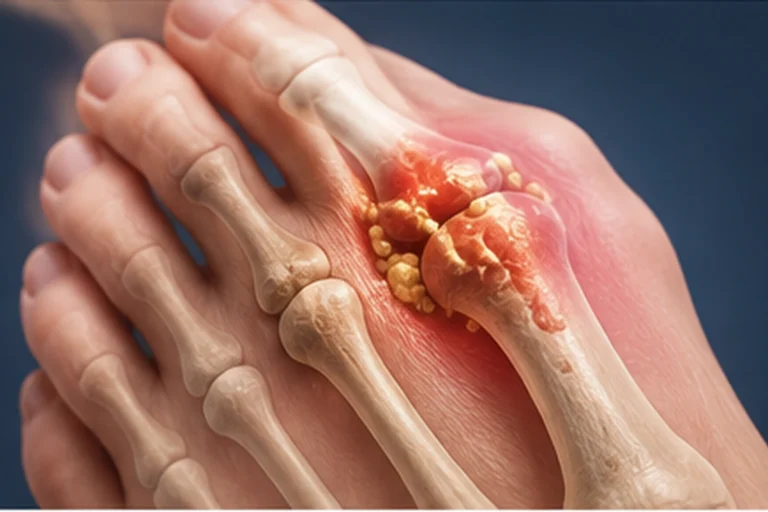
Gout commonly causes sudden attacks of intense joint pain with swelling, warmth and redness. It develops when urate crystals form in and around a joint. High uric acid can increase the likelihood of gout, but a high result alone does not confirm the condition, so the pattern of symptoms and clinical assessment remain important.
 Condition
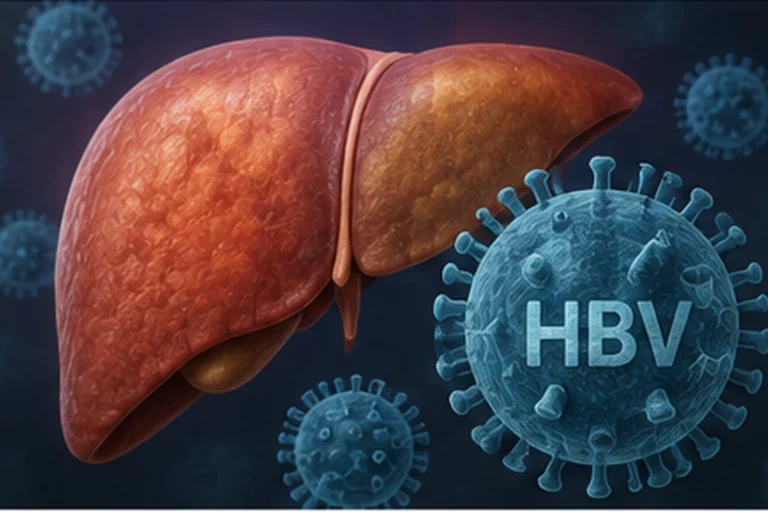
Hepatitis B is an infection caused by the hepatitis B virus that can affect liver health. Many people may have no obvious symptoms, while others can develop fatigue or other signs of illness. Blood tests such as hepatitis B surface antigen and surface antibody are used for different purposes and need appropriate interpretation.
 Condition
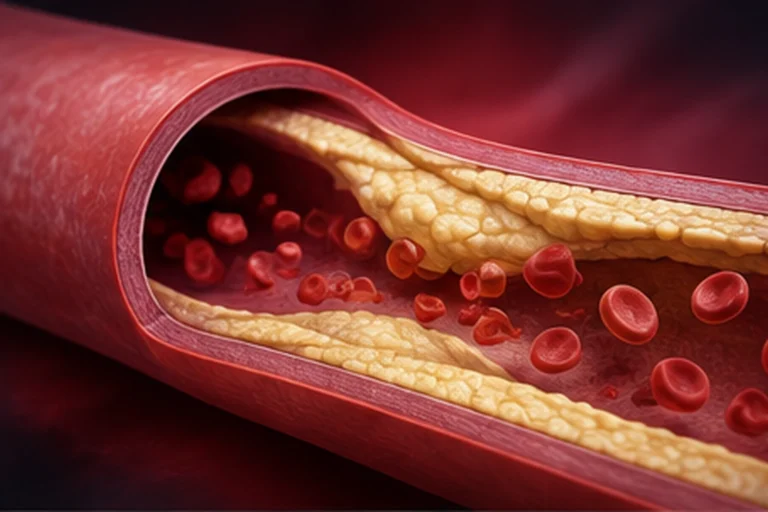
High cholesterol, or dyslipidaemia, is an abnormal level or balance of fats in the blood, including cholesterol and triglycerides. It usually causes no noticeable symptoms but can contribute to cardiovascular risk over time. A lipid profile helps assess LDL, HDL and triglycerides, while other health factors are considered alongside the results.
 Condition
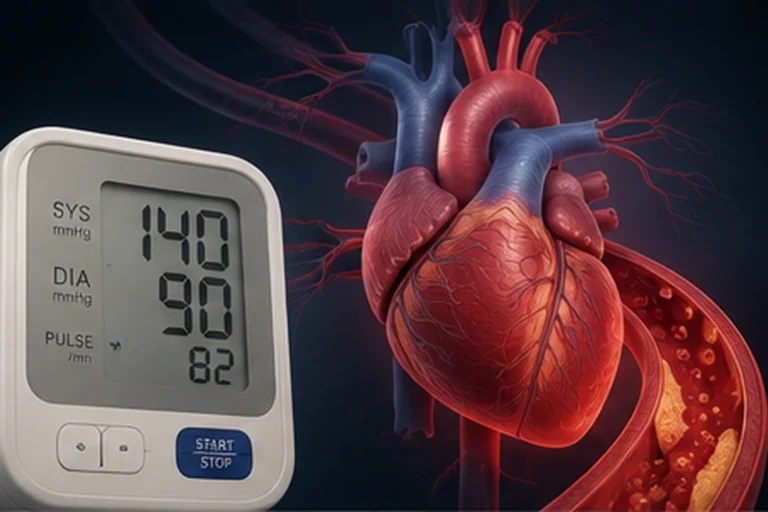
Hypertension, or high blood pressure, is a common condition that is often present without obvious symptoms. Blood pressure measurements are used to identify and monitor it, while kidney, glucose and cholesterol-related checks may help assess the wider health risks that can occur alongside persistent high blood pressure.
 Condition
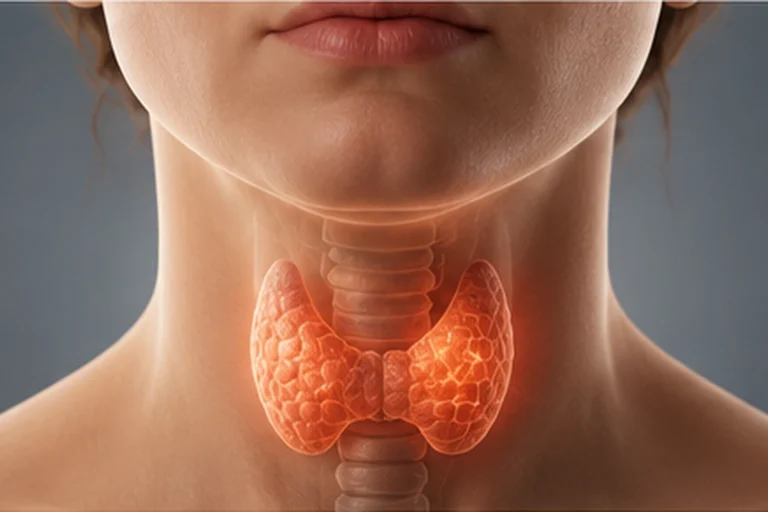
Hyperthyroidism, or an overactive thyroid, can affect heart rate, energy levels and other body functions. Common signs may include heart palpitations, fatigue, dizziness or unexplained weight loss. Assessment usually begins with thyroid blood tests such as TSH and free T4, with other tests considered according to the clinical picture.
 Condition
Iron-deficiency anaemia is a form of anaemia linked to insufficient iron. Common symptoms can include fatigue, dizziness, shortness of breath and heart palpitations. Assessment usually begins with a full blood examination, followed by iron studies when appropriate, because a low haemoglobin result alone does not confirm iron deficiency.
 Condition
Overweight and obesity mean having more body fat than your body needs. Many people feel well at first, while others notice breathlessness, tiredness, snoring or joint and back pain. Assessment usually starts with height, weight, body mass index (BMI) and waist measurement, followed by checks such as blood pressure, blood sugar and cholesterol to see whether excess weight is already affecting your health.
 Condition
Type 2 diabetes affects how the body regulates blood glucose. Common signs can include frequent urination, excessive thirst, fatigue and sometimes dizziness, although some people have few noticeable symptoms. Assessment usually involves blood glucose and HbA1c testing, with kidney, cholesterol and blood-pressure checks used to understand wider health risks.
 Condition
Vitamin D deficiency can be present without obvious symptoms. When symptoms occur, they may be nonspecific and can include fatigue or muscle and bone discomfort, which can also have many other causes. A vitamin D blood test can assess vitamin D status when testing is appropriate for a person's symptoms, risk factors or clinical context.
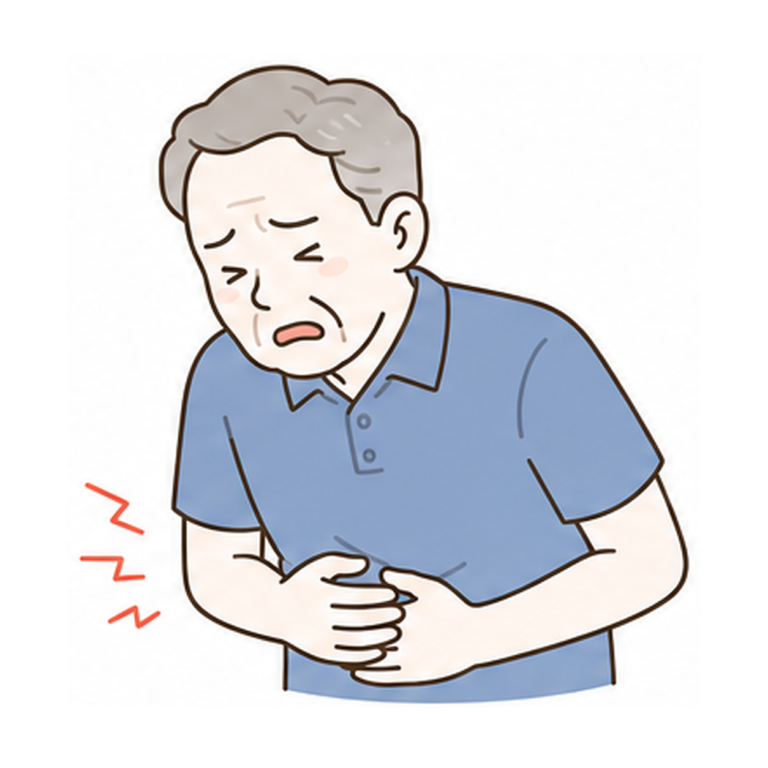 Symptom
Abdominal pain, or stomach pain, can be mild and short-lived or a sign that something needs medical attention. The location, severity, duration and associated symptoms often matter more than the pain alone.
 Symptom
Shortness of breath, also called breathlessness or dyspnoea, can feel like you cannot get enough air or breathing takes more effort than usual. It may occur with heart, lung, blood or other health problems. Sudden or severe breathing difficulty needs urgent medical attention.
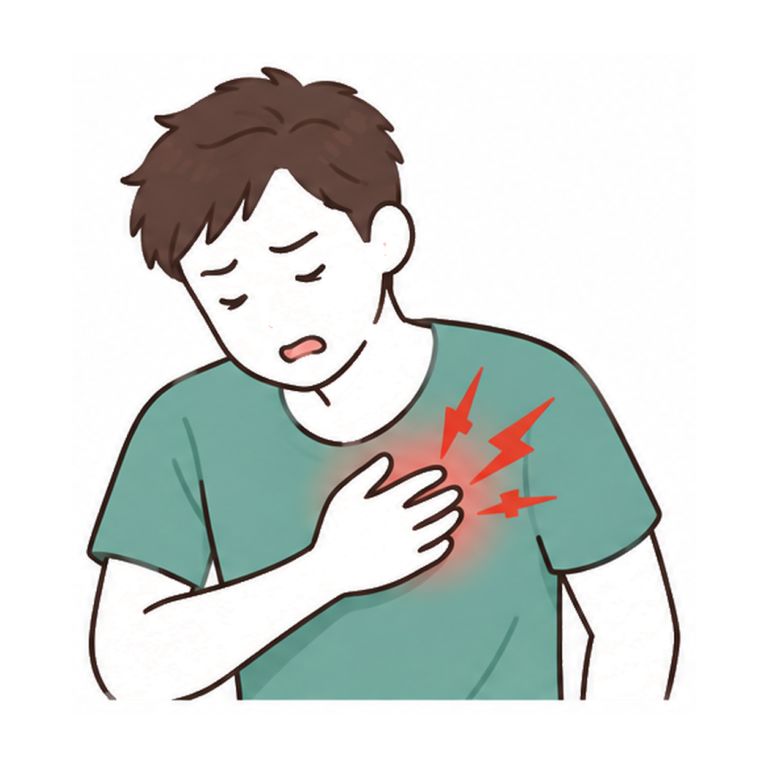 Symptom
Chest pain can have many causes and is not always related to the heart. What it feels like, what triggers it, how long it lasts and whether it occurs with breathlessness, sweating, fainting or other symptoms can help guide assessment. New or severe chest pain may require urgent medical attention.
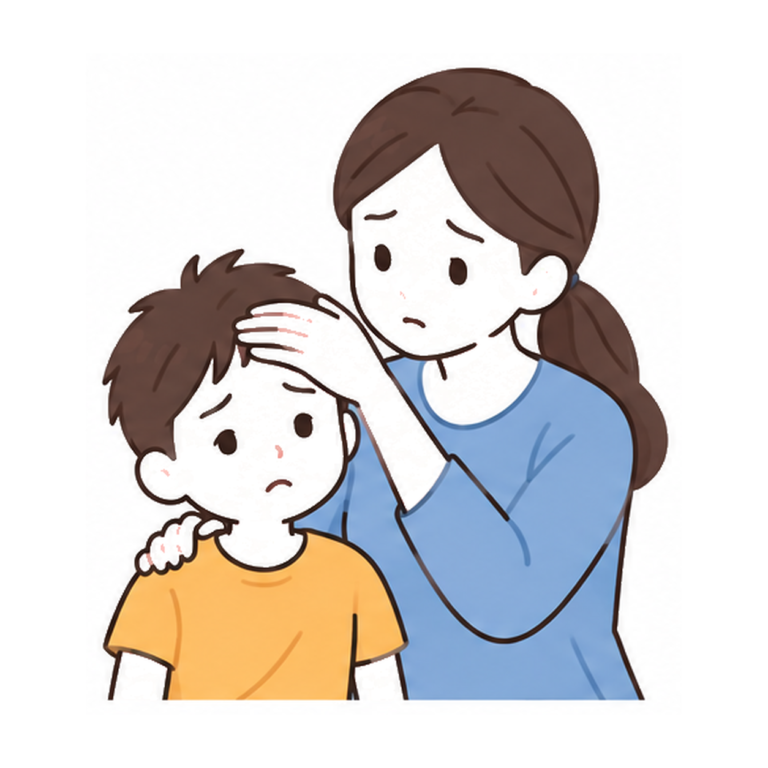 Symptom
Children may show illness differently from adults. Changes in feeding, activity, behaviour, growth, sleep or development can sometimes be the first sign that something is wrong. The child’s age, usual behaviour and accompanying symptoms provide important context.
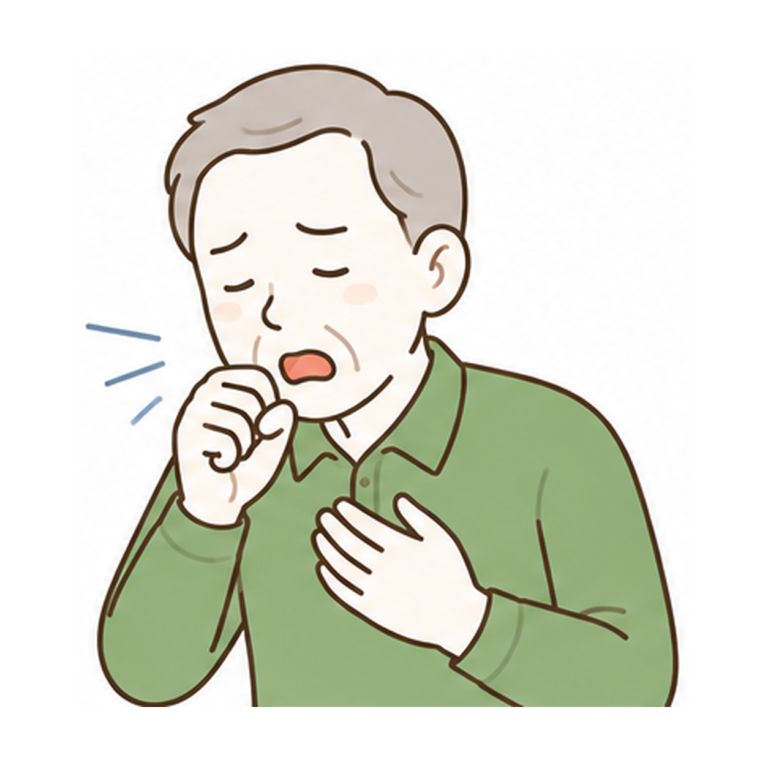 Symptom
 Symptom
 Symptom
Excessive thirst means feeling unusually or persistently thirsty, sometimes even after drinking. It may simply reflect dehydration or increased fluid needs, but constant thirst can also occur with medicines or health conditions such as diabetes, especially when it happens together with frequent urination.
 Symptom
Fatigue is a persistent feeling of tiredness or low energy that may not fully improve with rest. Feeling tired from time to time is common, but being tired all the time or experiencing constant tiredness can sometimes be linked to sleep, lifestyle factors or an underlying health condition.
 Symptom
Fever is a temporary rise in body temperature, often as part of the body's response to an infection. A fever may occur with chills, body aches, headache, cough or other symptoms. How high the temperature is, how long it lasts and what other symptoms are present can help determine whether medical assessment is needed.
 Symptom
Foamy urine describes urine that repeatedly appears unusually frothy or bubbly. Occasional bubbles do not necessarily mean there is a health problem, but persistent foamy urine can sometimes occur when protein is present in the urine and may warrant further assessment.
 Symptom
Frequent urination means needing to pass urine more often than usual, either during the day or at night. Sometimes this follows drinking more fluids or caffeine, but persistent frequent urination can also occur with urinary problems, medicines, diabetes or other health conditions.
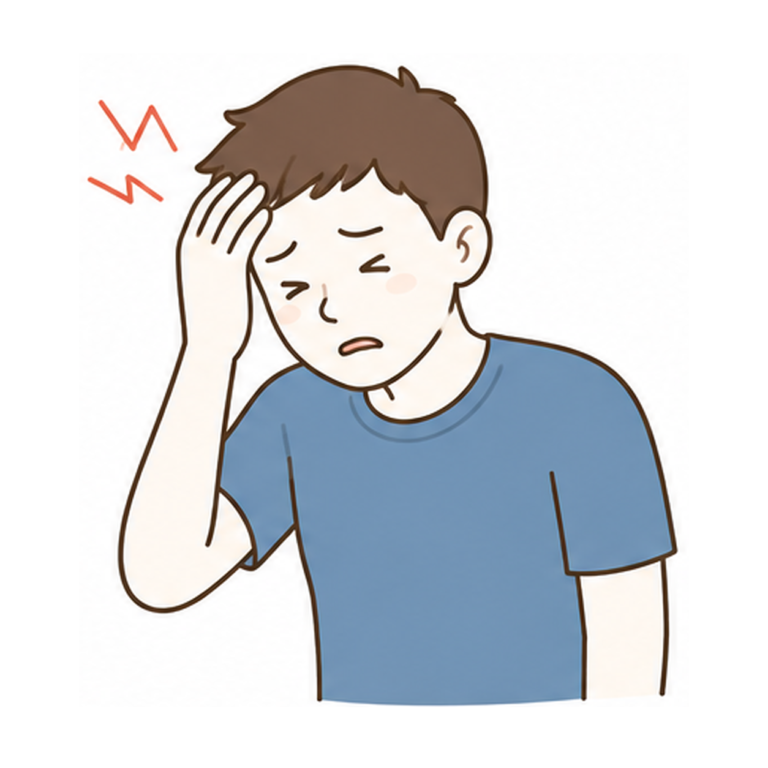 Symptom
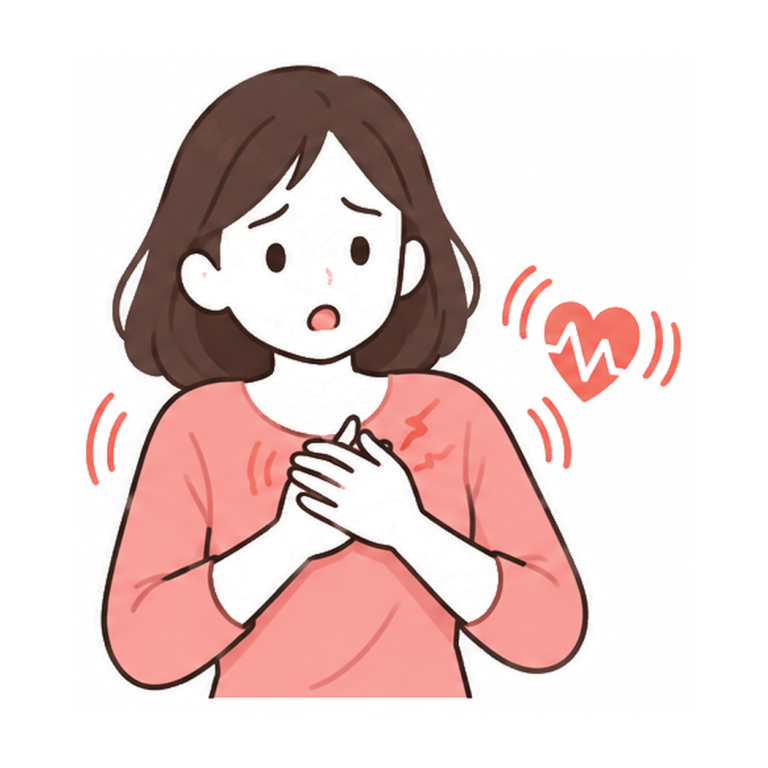 Symptom
Heart palpitations can feel like your heart is racing, pounding, fluttering or beating faster than usual. Common triggers include caffeine, stress, exercise and some medicines, but thyroid problems, anaemia or heart rhythm changes can also contribute. Palpitations with chest pain, fainting or shortness of breath need prompt medical attention.
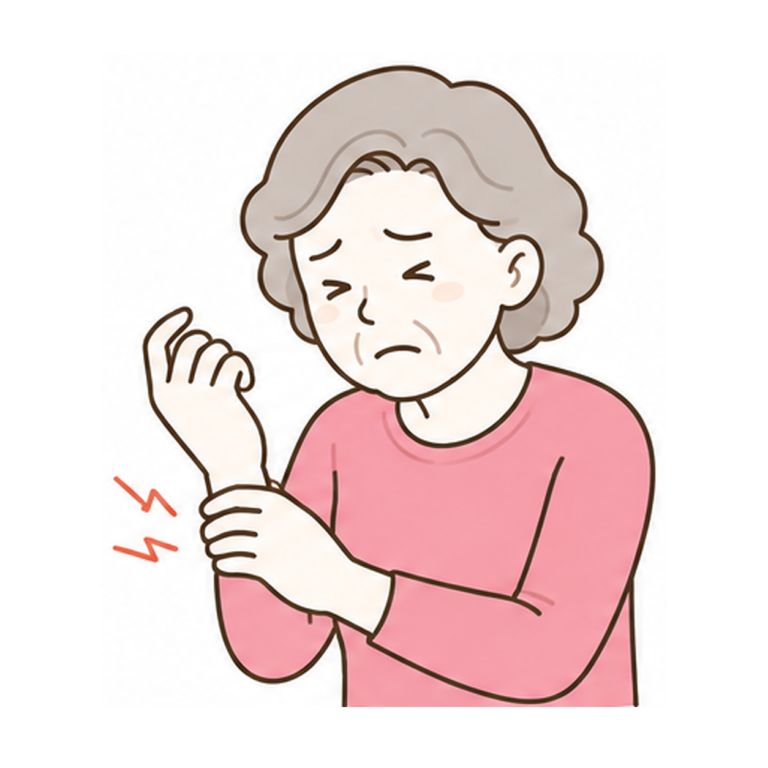 Symptom
Joint pain can affect one or several joints and may occur with stiffness, swelling or reduced movement. Common causes range from strain and wear to inflammation or gout. A painful or swollen joint that persists, keeps returning or suddenly becomes hot and red may need medical assessment.
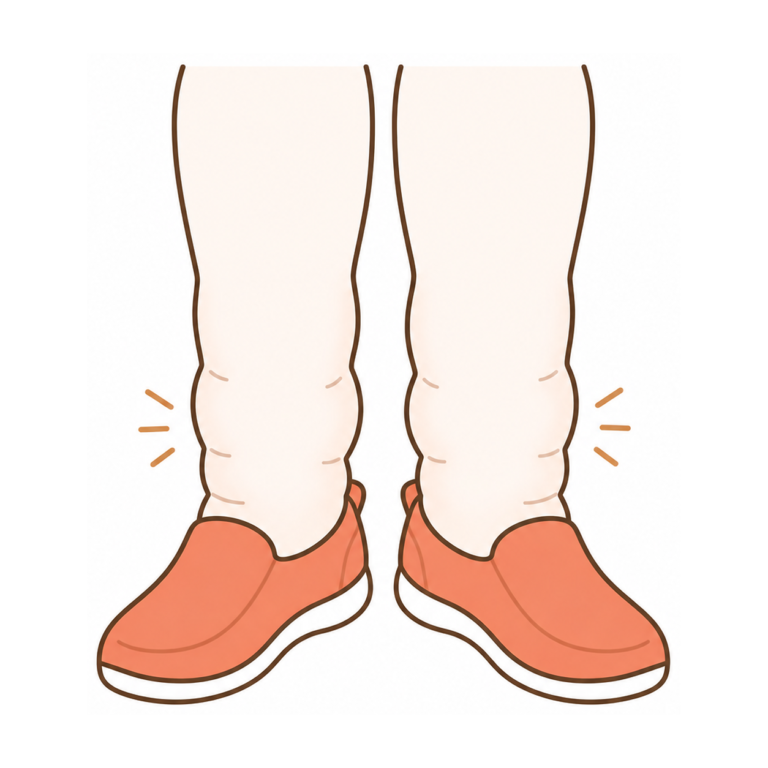 Symptom
Leg and ankle swelling, also called oedema, happens when fluid builds up in the tissues. Mild swelling can sometimes occur after being on your feet for long periods, but persistent, worsening or one-sided swelling may need assessment, particularly when it occurs with pain, redness or shortness of breath.
 Symptom
A rash is a visible change in the skin that may appear as redness, spots, bumps, patches or irritation. Some skin rashes are itchy or uncomfortable, while others cause few symptoms. How the rash looks, where it appears, how quickly it developed and whether there are other symptoms can help guide what may be causing it.
 Symptom
A sore throat is pain, scratchiness or irritation of the throat that often feels worse when swallowing. Most sore throats are caused by viral infections such as colds or flu and get better on their own within about a week, without antibiotics. Haze, smoke, allergies or acid reflux can also irritate the throat. A sore throat that is severe, lasts longer, keeps returning or comes with difficulty swallowing or breathing should be checked.
 Symptom
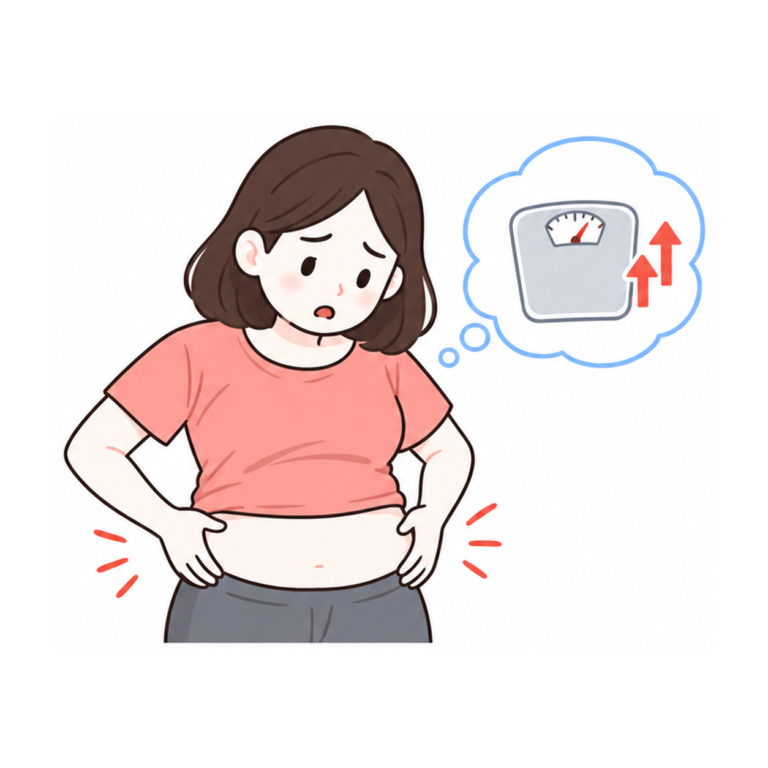
Weight gain means a steady rise in body weight, or finding it unusually hard to lose weight. Most weight gain builds up slowly from everyday habits, but it can also reflect a medicine you are taking or an underlying condition.
Comprehensive health screening builds on the basics with extra checks chosen for your age, risk and history, rather than every test available.
Extensive screening adds more detailed tests when your risk calls for them. More tests are not always better, so your doctor helps you pick wisely.
What a teen health check covers, which checks guidelines support for young people, and how we keep the visit relaxed and confidential.
Diabetes screening uses HbA1c or fasting glucose to find raised blood sugar early, when lifestyle changes and treatment work best.
General health screening covers a few simple, well-proven checks, like blood pressure and blood sugar, that can pick up common silent conditions early.
Heart screening looks at blood pressure, cholesterol, sugar and smoking to estimate your heart attack and stroke risk, so you can act early.
Kidney screening combines a blood test (eGFR) and a urine albumin test (ACR) to spot kidney disease early, especially with diabetes or high blood pressure.
Liver screening looks for silent problems such as hepatitis B, hepatitis C and fatty liver, so they can be managed before serious damage is done.
Cervical screening looks for HPV and early cell changes long before cancer develops, so problems can be treated simply and early.
Breast screening uses mammograms to find cancer early, often before a lump can be felt, when treatment tends to work best.
Bowel screening can find colorectal cancer early and even prevent it, by spotting and removing polyps before they turn into cancer.
Women's health screening changes as you move through life. Learn which checks guidelines recommend, when to start, and which tests are not advised.
Senior screening helps you stay active and independent. It checks everyday abilities as well as common conditions, tailored to your health and wishes.
How a pre-pregnancy check helps you and your baby, which checks guidelines suggest, and what to sort out before you start trying.
What pre-marital checks look for, why thalassaemia carrier testing matters in Malaysia, and how results are shared with care and consent.
No records are available in this content type yet.